admin
Arjuna Coffee Team
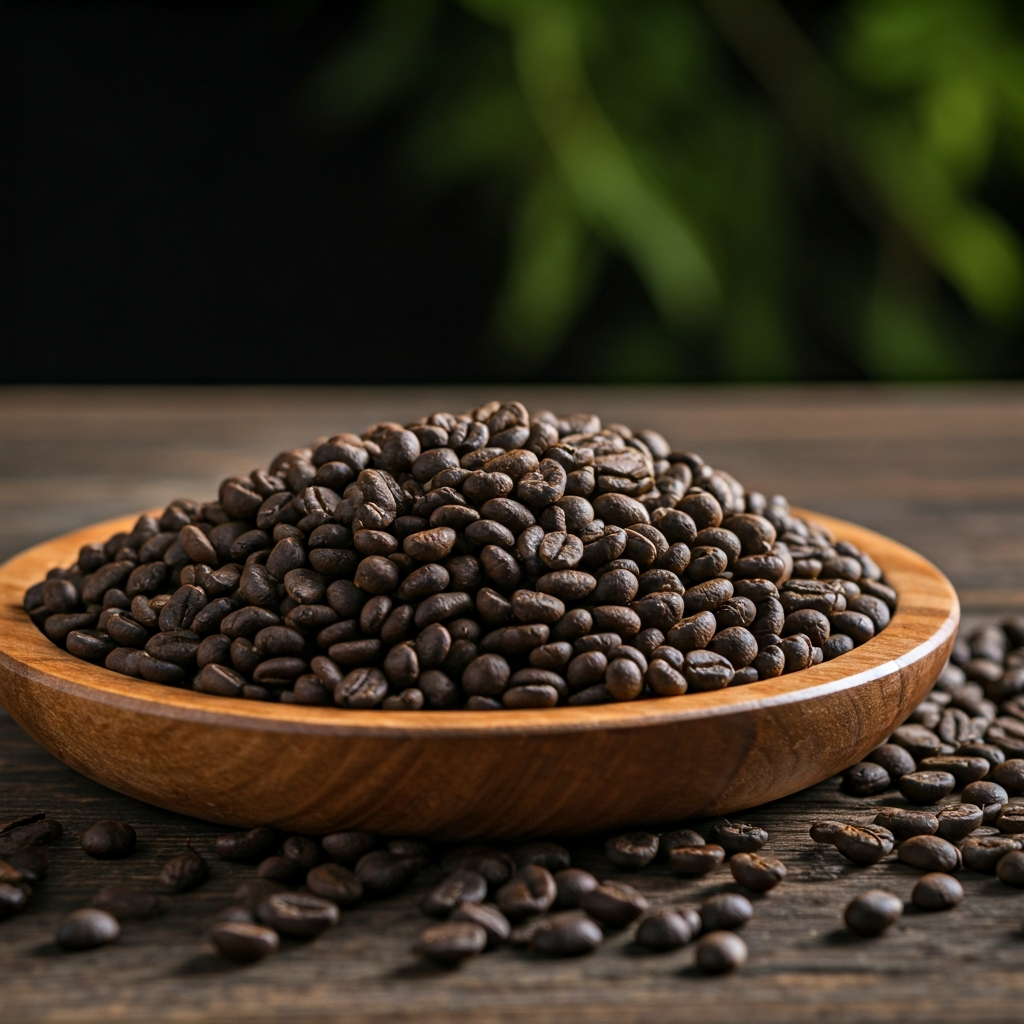
Aceh Gayo Green Coffee Beans: The Definitive Sourcing Guide for Roasters
For discerning coffee roasters, the quest for exceptional beans is relentless. This definitive guide to Aceh Gayo Green Coffee Beans starts with understanding their revered status.
If you’ve struggled to consistently source high-quality Sumatran coffee that delivers complexity and character, you’re not alone. This resource is engineered to solve that exact problem, transforming you into an expert on sourcing, evaluating, and roasting this incredible Indonesian coffee.
Grown in the highlands of Central Aceh, Sumatra, Gayo coffee is celebrated for its unique flavor profile—a result of its terroir and the traditional Giling Basah (wet-hulling) method. According to a market report from the International Coffee Organization (ICO), Indonesian Arabica, led by origins like Gayo, continues to command premium prices. This guide provides the critical knowledge you need to unlock the full potential of these remarkable beans for your customers in 2026.

Unlocking the Terroir: What Makes Aceh Gayo Coffee Unique?
The magic of Gayo coffee begins with the land itself. The Gayo Highlands, a lush plateau surrounding Lake Tawar, provide the perfect storm of environmental factors for producing world-class Arabica coffee. This unique combination of geography and agriculture sets the stage for the bean’s celebrated flavor profile.
The Gayo Highlands: An Eden for Coffee
Altitude is a critical factor in coffee quality, promoting slower cherry maturation which leads to denser, more complex beans. Gayo coffee is typically cultivated between 1,200 and 1,600 meters above sea level (MASL). This high altitude, combined with rich, volcanic soil and a tropical highland climate, creates a micro-environment that is second to none for growing premium coffee.
Key Arabica Varietals for Aceh Gayo Green Coffee Beans
While many varietals are grown in the region, a few dominate Gayo’s coffee landscape. Understanding them is key to predicting a bean’s characteristics:
- Ateng (Catimor): A robust hybrid known for its resilience and productivity. It often provides the full body and earthy notes Gayo is famous for.
- Jember (S795): An Indian cross that contributes to the cup’s complexity, often introducing notes of blackcurrant and brown sugar.
- Tim Tim (Timor Hybrid): A cross between Arabica and Robusta, prized for its disease resistance while retaining desirable Arabica cup qualities.
The Giling Basah Secret: Mastering the Wet-Hulled Process
You cannot discuss Sumatran coffee without understanding Giling Basah. Unlike the fully washed or natural processes common elsewhere, this unique wet-hulling method is responsible for Gayo’s signature heavy body, muted acidity, and earthy, spicy notes. It’s a high-risk, high-reward method that requires expertise to perfect.
The process involves pulping the coffee cherry, a brief fermentation, and then hulling the parchment off while the bean is still at a high moisture content (around 30-40%). This contrasts sharply with conventional methods that dry the bean to 11% moisture before hulling. This practice is a cornerstone of the region’s coffee identity, as explored in publications like Perfect Daily Grind.
Giling Basah vs. Washed Process: A Roaster’s Comparison
Understanding this difference is crucial for managing customer expectations and dialing in your roast profile. The wet-hulling of Aceh Gayo Green Coffee Beans is what gives them their world-renowned character.
| Attribute | Giling Basah (Wet-Hulled) | Fully Washed |
|---|---|---|
| Acidity | Muted, Low, Complex | Bright, Crisp, Pronounced |
| Body | Heavy, Syrupy, Full | Lighter, Cleaner, Tea-like |
| Flavor Profile | Earthy, Cedar, Spice, Tobacco, Dark Chocolate | Fruity, Floral, Citrus |
| Bean Appearance | Dark Greenish-blue, often irregular | Pale Green, uniform |

A Roaster’s Guide to Aceh Gayo Green Coffee Beans
Once you’ve sourced quality beans, the roaster’s artistry comes into play. Roasting Gayo requires a different approach than high-acidity washed coffees. The goal is to highlight its inherent sweetness and complex aromatics without overpowering them.
Cupping Notes & Flavor Profile
A well-sourced and roasted Gayo coffee is a symphony of flavor. Expect a low-to-medium acidity with a powerfully heavy and syrupy body. Primary flavor notes often include:
- Top Notes: Dark Chocolate, Cedar, Clove, Brown Sugar
- Mid Notes: Toasted Walnut, Molasses, hints of Tropical Fruit
- Finish: A long, lingering finish with notes of spice and sweet tobacco.
Roasting Profiles for Success
Due to the high moisture content and density from the wet-hulling process, Gayo beans can handle heat well but can also develop roasty flavors quickly.
- Charge Temperature: Start with a slightly higher charge temperature to penetrate the dense bean.
- Drying Phase: Allow for a thorough drying phase to ensure even heat distribution.
- First Crack: Be prepared for a rolling, vigorous first crack. Pull back on the heat just before it begins to avoid scorching.
- Development Time: A development time of 18-22% (post-first crack) is often ideal for bringing out the deep sweetness and body. A medium to medium-dark roast is typically the sweet spot for these beans.
From Farm to Port: Sourcing & Exporting Aceh Gayo Green Coffee Beans
Sourcing directly from Indonesia can seem daunting, but partnering with a reliable exporter like Arjuna Coffee demystifies the process. The supply chain involves collectors, processors, and exporters. The Specialty Coffee Association (SCA) provides standards that guide this entire process, ensuring quality from farm to cup.
Direct Trade vs. Traditional Models
We champion a direct trade model, fostering relationships with cooperatives and farmers in the Gayo region. This ensures higher quality and consistency for you, the roaster, and provides better livelihoods for the farming communities. This traceability is a key selling point for consumers, as noted by publications like Daily Coffee News.
Understanding Quality Grades (G1, G2, G3)
Indonesian coffee is graded based on the number of defects in a 300g sample. For specialty roasters, Grade 1 (G1) is the only standard to consider.
- Grade 1 (G1): Maximum 11 defects. This is the required specialty standard for Aceh Gayo Green Coffee Beans.
- Grade 2 (G2): 12-25 defects. Often used for commercial blends.
- Grade 3 (G3): 26-44 defects. Lower quality commercial grade.

Sustainability & Traceability: Sourcing Ethical Gayo Coffee
In 2026, transparency is a requirement. Discerning roasters and consumers demand to know the story behind their coffee. For Aceh Gayo Green Coffee Beans, this means a deep commitment to sustainable farming and direct trade relationships that empower local communities.
Many Gayo coffee farms are small, family-owned plots where coffee is grown organically under the shade of native trees. This agroforestry system preserves biodiversity and eliminates the need for chemical inputs, resulting in a cleaner cup and a healthier planet.
The Power of Cooperatives and Direct Trade
Partnering with farmer cooperatives in the Gayo Highlands is key to sourcing ethically and consistently. These organizations provide farmers with training, resources, and access to the global market, ensuring they receive fair prices. A direct trade model, which we champion, improves traceability from farm to cup and fosters long-term, sustainable partnerships.
Frequently Asked Questions (FAQ)
What does Aceh Gayo coffee taste like?
Aceh Gayo coffee is renowned for its heavy, syrupy body, low acidity, and a complex flavor profile. Roasters note rich flavors of dark chocolate, cedar, and spices, with a sweet, earthy finish reminiscent of brown sugar and sweet tobacco.
Is Aceh Gayo coffee Arabica or Robusta?
The vast majority of specialty coffee from this region, including what we export, is 100% Arabica. The high-altitude Gayo Highlands are exclusively dedicated to producing some of the world’s finest Arabica varietals, making it a benchmark for quality.
Why are Aceh Gayo Green Coffee Beans so popular?
Gayo coffee offers a unique and bold flavor profile that stands out as a single-origin and serves as a fantastic base for espresso blends. Its consistency and rich character make it a reliable and versatile choice for any roaster’s menu.
What is the best way to source Aceh Gayo Green Coffee Beans?
The most reliable way is to partner with a reputable Indonesian coffee exporter like Arjuna Coffee. We have established relationships with local cooperatives, ensuring access to high-quality, fully traceable lots and guaranteeing you receive true, specialty-grade Gayo beans.
Conclusion: Your Partner in Sourcing Premium Gayo Coffee
Sourcing exceptional coffee is both an art and a science. By understanding the unique terroir, the critical Giling Basah process, and the nuances of roasting, you are now equipped to make informed decisions. This guide has laid the groundwork for you to confidently select and roast the very best beans from the Gayo Highlands. A successful sourcing strategy hinges on quality and partnership. We invite you to partner with us to bring the incredible taste of Sumatra to your customers and to elevate your business with truly remarkable Aceh Gayo Green Coffee Beans.

Explore More Premium Indonesian Coffee Beans
While Gayo is a crown jewel, Indonesia offers a diverse treasure trove of coffee. Explore our other single-origin green bean offerings:
Interested in Our Green Beans?
Explore our curated catalog of premium Indonesian green coffee beans directly sourced from the islands.
 English