admin
Arjuna Coffee Team
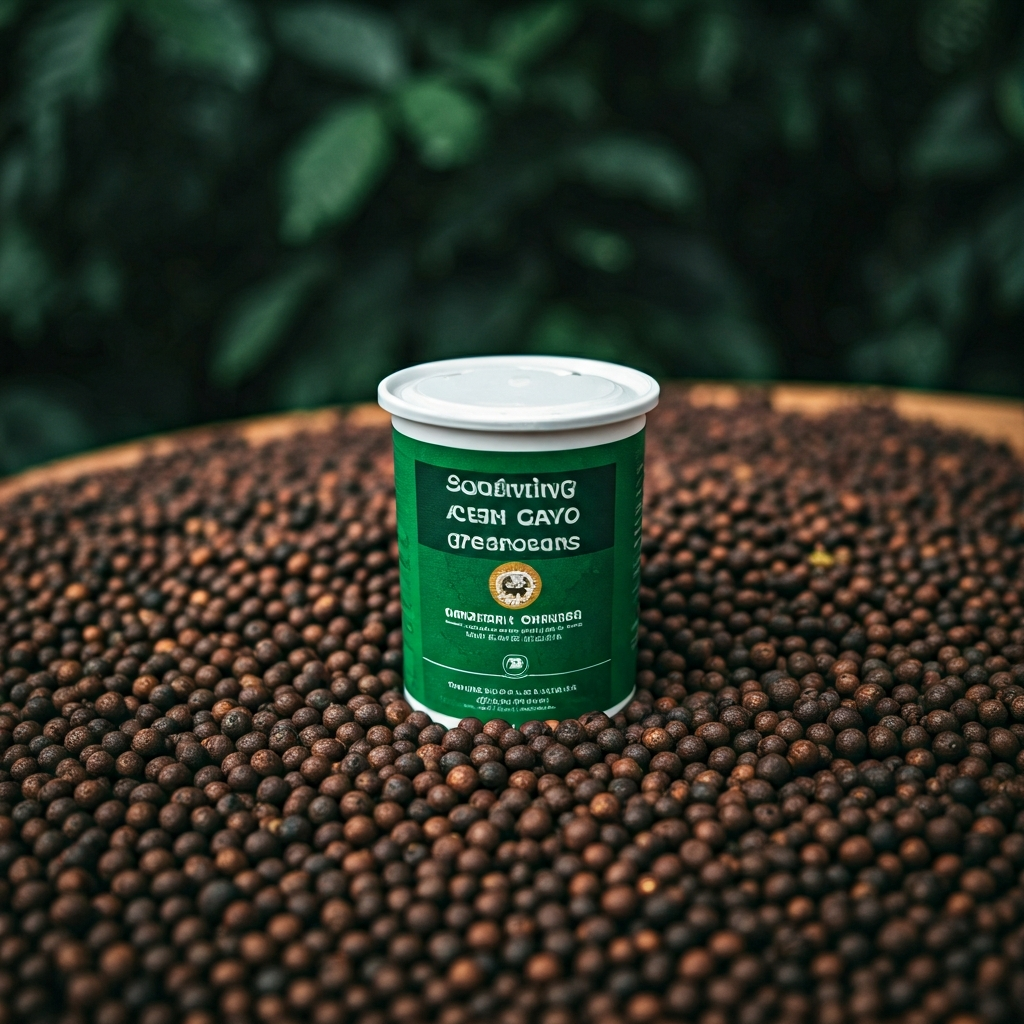
Sourcing Aceh Gayo Green Beans: A Roaster’s Ultimate Guide
Sourcing Aceh Gayo green beans is the key to unlocking one of specialty coffee’s most iconic and sought-after profiles for your customers. For roasters dedicated to excellence, understanding this unique Sumatran origin isn’t just an advantage—it’s essential. Aceh Gayo is an arabica coffee from the Gayo highlands in Sumatra, Indonesia, renowned for its heavy body, low acidity, and complex earthy notes, primarily due to the Giling Basah (wet-hulled) processing method.
This guide provides the definitive 2024 roadmap to masterfully navigate its unique quality, processing, and flavor nuances. The Gayo Highlands are a crown jewel of Indonesia’s specialty output, but not all Gayo is created equal. True mastery lies in distinguishing the exceptional from the average, ensuring the beans you source will elevate your brand and captivate your clientele.
Why Aceh Gayo Is a Must-Have for Serious Roasters
Integrating a high-quality Aceh Gayo into your coffee lineup is a strategic decision that signals a commitment to quality and variety. This coffee offers a flavor profile that is both unique and highly sought-after, providing a valuable contrast to the bright, acidic profiles common in other regions.
[Image: A panoramic view of the lush, terraced Gayo Highlands in Sumatra, with coffee trees dotting the landscape under a misty morning sky. | Alt: A panoramic view of the Gayo Highlands, a key region for sourcing Aceh Gayo green beans.]
The Prized Gayo Flavor Profile: Earthy, Complex & Bold
The quintessential Aceh Gayo cup is a sensory experience. Thanks to the region’s unique terroir and the prevalent Giling Basah (wet-hulling) processing method, the flavor profile is distinct and memorable.
- Aroma: Expect intense notes of dark chocolate, cedar, and sweet pipe tobacco.
- Flavor: A complex palate featuring earthy tones, dark cherry, spices like clove and black pepper, and sometimes a hint of tropical fruit.
- Body: Full, syrupy, and incredibly smooth, coating the palate.
- Acidity: Muted and low, making it a comforting and approachable cup.
This profile makes it a fantastic single-origin offering and a powerful component for adding depth and body to espresso blends.
Market Demand & Profitability
Modern coffee consumers are explorers, constantly seeking new and interesting flavor profiles. The story and taste of Aceh Gayo meet this demand perfectly. Offering a premium Gayo can attract discerning customers, justify a higher price point, and enhance your roastery’s reputation as a source for exceptional and diverse coffees. Proper sourcing of Aceh Gayo green beans directly impacts this profitability.
Decoding Quality: A Guide to Sourcing Aceh Gayo Green Beans
Securing the best Gayo beans requires looking beyond simple grade classifications. True quality is a combination of altitude, varietal, meticulous processing, and low defect counts. An expert approach to sourcing Aceh Gayo green beans involves a deeper analysis.
Altitude & Sub-Regions: Where the Best Gayo Grows
The best Gayo coffee is grown at high altitudes, typically between 1,400 and 1,700 meters above sea level (MASL). This elevation leads to slower cherry maturation, which in turn creates denser, more complex beans packed with sugars and nuanced flavors. When sourcing, always ask for the specific altitude and sub-region, such as Bener Meriah or Central Aceh (Takengon), as this is a primary indicator of quality.
Key Varietals: Ateng, Jember, and Tim Tim
While broadly classified as “Arabica,” the Gayo region is home to specific varietals that contribute to its unique cup profile. These include:
- Ateng (or Catimor): A robust hybrid known for its resilience and productivity, forming the backbone of Gayo production.
- Jember: An older, S-linea selection that can contribute to the classic spicy notes.
- Tim Tim: A hybrid of Arabica and Robusta, prized for adding to the coffee’s signature body and earthy notes when grown at high altitudes.
The Art of Gayo Processing: A Deep Dive into ‘Giling Basah’
It is impossible to discuss Gayo coffee without focusing on its signature processing method: Giling Basah, or wet-hulling. As documented by coffee experts at World Coffee Research, this process is responsible for the coffee’s low acidity and heavy body.
How Giling Basah Creates the Signature Sumatra Profile
Unlike washed or natural processes, Giling Basah involves de-pulping the coffee cherry, partially drying it to about 30-40% moisture content, and then hulling (removing the parchment) while the bean is still damp. This exposes the raw bean to the elements during final drying, creating the classic earthy, spicy, and full-bodied cup. This unique process is a cornerstone of successfully sourcing Aceh Gayo green beans.
| Processing Method | Acidity | Body | Key Flavors |
|---|---|---|---|
| Giling Basah (Wet-Hulled) | Low | Heavy, Syrupy | Earthy, Cedar, Spice, Dark Chocolate |
| Washed | High, Bright | Light to Medium | Citrus, Floral, Clean |
| Natural | Medium, Winey | Medium to Heavy | Berry, Tropical Fruit, Fermented |
[Image: An infographic concept showing the three main coffee processing methods (Washed, Natural, Giling Basah) with simple icons and key flavor outcomes for each. | Alt: An infographic comparing Giling Basah, Washed, and Natural coffee processing methods.]
Your Sourcing Guide: Vetting Suppliers and Asking the Right Questions
Armed with knowledge of profile and processing, the next step is the sourcing process itself. This requires careful vetting and clear communication.
Direct Trade vs. Working with an Exporter
For most roasters, partnering with a trusted, experienced exporter like Arjuna Coffee is the most effective strategy. A good exporter provides crucial services including quality control, logistics management, and financial security. They have on-the-ground teams that can verify quality, build relationships with cooperatives, and ensure consistency lot after lot. This partnership is vital for successful long-term sourcing of Aceh Gayo green beans.
Key Questions for Sourcing Aceh Gayo Green Beans
When you inquire about a lot of Gayo coffee, go beyond the price. Ask targeted questions to ensure quality:
- What is the specific sub-region and altitude (MASL)?
- What varietals are in this lot?
- Can you provide a recent cupping score based on the SCA standard?
- What is the moisture content and defect count?
- Who is the cooperative or farmer group behind this coffee?
- Can you provide a sample for pre-shipment evaluation?
[Image: A close-up of a coffee cupping session. A professional is evaluating bowls of green and roasted Gayo beans, with a scoresheet nearby. The focus is on quality control. | Alt: A quality control specialist sourcing Aceh Gayo green beans by evaluating samples during a cupping session.]
Frequently Asked Questions (FAQ)
What does Aceh Gayo coffee taste like?
Aceh Gayo is famous for its full, syrupy body, low acidity, and deep, complex flavor notes. Expect to taste earthy tones, dark chocolate, cedar, and hints of spice. It’s a bold and memorable cup, vastly different from bright African or Central American coffees.
Is Aceh Gayo coffee Arabica or Robusta?
Primarily, Aceh Gayo is a high-quality Arabica coffee. However, some common local varietals are technically hybrids with Robusta lineage. This contributes to the coffee’s signature heavy body and resilience in the field without sacrificing its specialty status when grown at high altitudes.
How is Gayo coffee processed?
The vast majority of Gayo coffee is processed using the unique “Giling Basah” or wet-hulled method. This process involves removing the parchment layer while the bean is still damp, which is responsible for its characteristic low acidity, heavy body, and earthy flavor profile.
What is the best way to roast Aceh Gayo beans?
Wet-hulled beans like Gayo require careful roasting. A longer, slower drying phase is often recommended. Aim to stretch the time leading up to the first crack to develop the body. Be careful not to roast too dark, which can mask its complex spicy and earthy notes.
Conclusion: Your Partner in Premium Coffee
Ultimately, successful sourcing of Aceh Gayo green beans is about more than just a transaction; it’s about building a relationship with an origin and a trusted partner who can guarantee quality. By understanding the nuances of its profile, processing, and quality indicators, you can confidently select beans that will shine in your roastery. Partnering with an expert exporter like Arjuna Coffee bridges the distance between the Gayo Highlands and your customers, ensuring a consistent supply of this exceptional Sumatran coffee.
[Video: An embedded video showing the Giling Basah process in action in the Gayo Highlands, from pulping to wet-hulling and drying.]
Explore Our Premium Indonesian Coffee Beans
While you perfect your approach to sourcing Aceh Gayo green beans, consider the rich diversity of Indonesian coffee. Each origin offers a unique story and flavor profile, ready to be discovered by you and your customers.
Interested in Our Green Beans?
Explore our curated catalog of premium Indonesian green coffee beans directly sourced from the islands.
 English