admin
Arjuna Coffee Team
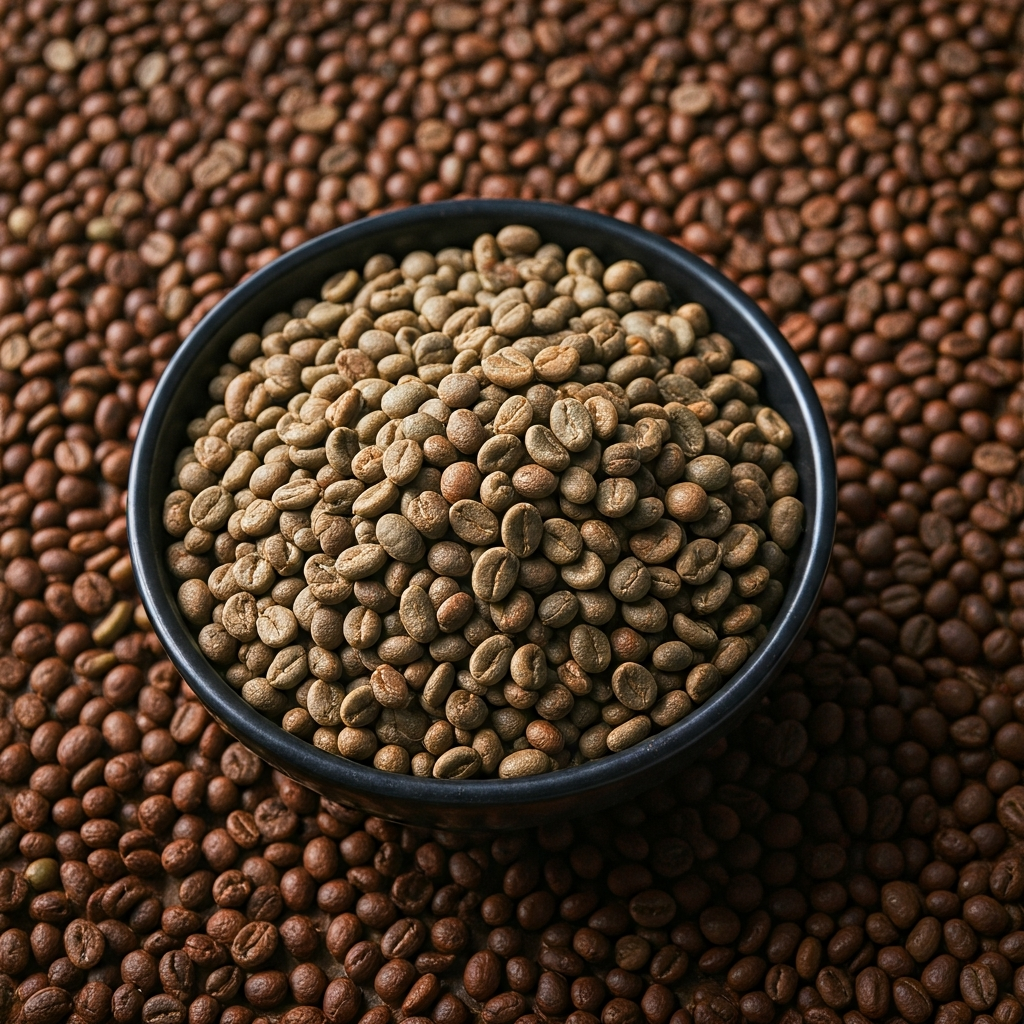
Aceh Gayo Green Beans: The Complete Roaster’s Guide to Sourcing from Indonesia
Sourcing exceptional Aceh Gayo green beans directly from Indonesia presents a unique opportunity for roasters to captivate customers with a truly distinct flavor profile. However, navigating the complexities of sourcing, grading, and roasting this coveted bean can be a formidable challenge. This comprehensive guide provides the expert insights you need to master every step.
The global demand for specialty Indonesian coffee has surged. A market report from the International Coffee Organization (ICO) shows consistent growth in high-value exports, underscoring this trend.
For roasters, this means that securing a consistent supply of high-quality Aceh Gayo green beans is more competitive—and more crucial—than ever. This guide is your strategic roadmap to not only source these beans but to unlock their maximum potential, ensuring your roastery stands out in a crowded market in 2026.
What Makes Aceh Gayo Coffee Truly Special?
Aceh Gayo green beans are not just another single-origin coffee; they are a direct reflection of a unique terroir and a deeply ingrained coffee culture. This combination results in a cup profile that is celebrated by coffee connoisseurs worldwide for its complexity and distinctive character. Understanding these core elements is the first step in appreciating its value.
[Image: Lush, green coffee plantations in the Gayo highlands with farmers harvesting red coffee cherries. Title: The Verdant Slopes of the Gayo Highlands. Alt: Farmer harvesting coffee cherries for Aceh Gayo green beans.]
The Unique Terroir of the Gayo Highlands
Nestled in the mountains surrounding Takengon and Lake Tawar in Sumatra, the Gayo highlands offer the perfect conditions for Arabica coffee. The volcanic soil is rich in nutrients, and the high altitudes (1,200 to 1,600 MASL) allow cherries to mature slowly.
This slow maturation develops more complex sugars and acids, leading to a richer, more nuanced flavor in the final cup.
[Image: A detailed map of the Gayo Highlands in Sumatra, highlighting the main coffee growing areas around Takengon and Lake Tawar. Title: Map of the Gayo Coffee Region. Alt: Map showing the origin of Aceh Gayo green beans in Sumatra.]
A Legacy of Unique Processing: Giling Basah (Wet-Hulling)
The defining characteristic of many Sumatran coffees is the “Giling Basah” or wet-hulled process. It involves removing the parchment layer while the bean still has high moisture content (30-40%). This method imparts the classic Indonesian flavor profile: a heavy, syrupy body, muted acidity, and pronounced earthy notes.
As noted by Perfect Daily Grind, mastering the roast for wet-hulled beans is key to balancing these unique traits.
The Distinctive Flavor Profile of Aceh Gayo Green Beans
A well-sourced and properly roasted cup of Gayo coffee is an unforgettable experience. While Mandheling coffee is known for its heavy body and earthy notes, Aceh Gayo green beans typically present a cleaner, more vibrant profile. Common cupping notes include:
- Aroma: Dark chocolate, cedar, and sweet pipe tobacco.
- Flavor: Brown sugar, ripe cherry, clove, and a hint of black pepper.
- Acidity: Mild and malic, often reminiscent of green apple.
- Body: Full and syrupy, with a lingering, smooth finish.
Sourcing Aceh Gayo Green Beans: A Roaster’s Checklist
Securing a consistent supply of high-quality Gayo coffee requires diligence and a clear understanding of the market. Not all Gayo coffee is created equal, and knowing what to look for is critical to protecting your investment and your brand’s reputation.
Understanding Grades and Defect Counts
Indonesian green coffee is graded based on defects in a 300g sample. While SCA standards provide a framework, local systems are also prevalent. Here’s a simplified breakdown:
- Grade 1 (Specialty): This is the highest quality, with 0-11 full defects. Beans are uniform in size and color, offering the cleanest cup. This is the grade roasters should target for premium offerings of Aceh Gayo green beans.
- Grade 2 & 3: These grades have a higher defect count and are often used for blends or commercial-grade coffee.
- Screen Size: Look for screen sizes of 16+ for more uniform roasting and a better bean density.
Navigating Certifications: Fair Trade, Organic, and More
Certifications offer assurance of ethical and sustainable practices. Many Gayo cooperatives are certified Organic, Fair Trade, or Rainforest Alliance. While these add cost, they also provide a powerful marketing story and appeal to conscious consumers. Always verify certifications with the issuing body.
Direct Trade vs. Working with an Exporter
Direct trade sounds appealing but presents significant logistical hurdles. For most roasters, partnering with a reputable Indonesian exporter like Arjuna Coffee is more strategic. A good exporter acts as your boots on the ground, ensuring quality, managing logistics, and fostering sustainable relationships with farmers—a critical component for sourcing Aceh Gayo green beans long-term.
| Processing Method | Typical Flavor Impact | Body & Acidity |
|---|---|---|
| Giling Basah (Wet-Hulled) | Earthy, spicy, cedar, tobacco, low fruit notes | Very Full Body, Muted Acidity |
| Washed Process | Clean, bright, floral, citrus, high clarity | Lighter Body, Bright Acidity |
| Honey/Natural Process | Intense fruit, jammy, sweet, often winey | Variable Body, Sweet Acidity |
[Infographic: A flavor wheel specifically designed for Indonesian coffee, showing the range of notes from earthy and spicy (Sumatra) to floral and citrus (Java) and how Aceh Gayo fits in between. Title: The Flavor Spectrum of Indonesian Coffee. Alt: Infographic showing flavor profiles of Indonesian coffee, highlighting Aceh Gayo green beans.]
Roasting Profiles for Aceh Gayo Green Beans
Roasting Aceh Gayo green beans requires a specific approach. The high moisture content and density from wet-hulling mean these beans behave differently. Careful management of heat and airflow is essential to honor their unique characteristics.
Recommended Roasting Strategy
The goal is to balance the bean’s earthy notes with its subtle sweetness and acidity. Pushing the roast too dark can obliterate its complexity. Research in journals like Food Research International often explores how roast degree impacts flavor.
- Light-Medium Roast (City to City+): This is the sweet spot. It preserves unique herbal notes and malic acidity while developing sweetness. Aim for a development time of 1:30 to 2:00 minutes after first crack.
- Medium Roast (Full City): This develops more chocolate and spice, creating a richer cup. The body becomes heavier, but you risk losing delicate aromatics.
- Dark Roast (Vienna/French): Generally not recommended for high-quality Aceh Gayo green beans, as roast character will overpower origin flavors.
First Crack and Development Time
Due to their density, Gayo beans can handle a high charge temperature. However, you must manage energy input carefully leading into first crack to avoid scorching. The first crack is less aggressive than with washed coffees. Pay close attention and use your senses—smell and sight are as important as software curves.
The Logistics of Importing Gayo Coffee
Understanding the logistical chain is non-negotiable. From export documentation in Indonesia to arrival at your roastery, every step must be managed with precision to ensure the quality of your Aceh Gayo green beans remains intact.
Essential Export Documents
A smooth import process hinges on correct documentation. Your export partner should handle this, but you must be aware of the key documents:
- Certificate of Origin (Form ICO)
- Phytosanitary Certificate
- Bill of Lading / Air Waybill
- Commercial Invoice & Packing List
Errors in this paperwork can lead to costly delays at customs. An experienced exporter is invaluable here, a topic often covered in publications like SCA News.
Looking to source premium Indonesian green coffee beans? Arjuna Coffee specializes in exporting the finest single-origin beans, from earthy Sumatra Mandheling to fruity Bali Kintamani. Partner with us for reliable quality, ethical sourcing, and exceptional taste. Contact our trading team today to elevate your coffee roasting business.
Frequently Asked Questions about Aceh Gayo Green Beans
What is the ideal cupping score for specialty Gayo coffee?
For Aceh Gayo green beans to be specialty grade, they should score 84+ on the SCA scale. Top lots can score 86-88, showcasing exceptional clarity, complexity, and a clean finish distinguishing them from standard Gayo offerings.
Is Aceh Gayo coffee good for espresso?
Absolutely. The low acidity and heavy body make Gayo a fantastic espresso component, providing a rich, syrupy crema and deep chocolatey base. As a single-origin espresso, it produces a bold shot that stands up well in milk.
What’s the difference between Gayo and Mandheling coffee?
While both are wet-hulled Sumatran coffees, Gayo is typically higher altitude and known for a cleaner, more nuanced profile. Mandheling is famous for its heavier body and more intense earthy, tobacco, and cedar notes.
How does the ‘Giling Basah’ process affect the flavor?
Giling Basah is directly responsible for the classic Sumatran character. It mutes acidity and enhances body, creating the deep, earthy notes the region is famous for. It also results in the signature bluish-green look of the unroasted Aceh Gayo green beans.
When is the main harvest season for Aceh Gayo?
The Gayo region typically has two harvests. The main harvest runs from October to December, with a smaller fly crop from April to June. Sourcing during the main harvest ensures you receive the freshest and highest-quality beans.
[Video: An embedded YouTube video showing the ‘Giling Basah’ process in action in the Gayo region. It would feature interviews with farmers and show the stages from pulping to drying the high-moisture beans. Title: The Giling Basah Story: How Aceh Gayo Green Beans Get Their Famous Flavor.]
Conclusion: Your Partner for Premium Gayo Coffee
In conclusion, sourcing and roasting premium Aceh Gayo green beans is a skill that can set your roastery apart. By understanding the unique terroir, the Giling Basah process, and the nuances of roasting this exceptional coffee, you can deliver an unparalleled experience to your customers. The journey is complex, but the reward is a coffee rich in history and flavor.
At Arjuna Coffee, we are committed to helping you navigate this journey. We provide access to the finest lots, ensure meticulous quality control, and handle the complex logistics of exporting. Partner with us to secure a reliable supply of the best Aceh Gayo green beans and elevate your coffee program to world-class status.
Explore Our Premium Indonesian Coffee Beans
Ready to explore more of what Indonesia has to offer? Discover our curated selection of specialty green beans, sourced directly from the archipelago’s best coffee-growing regions.
Interested in Our Green Beans?
Explore our curated catalog of premium Indonesian green coffee beans directly sourced from the islands.
 English