admin
Arjuna Coffee Team
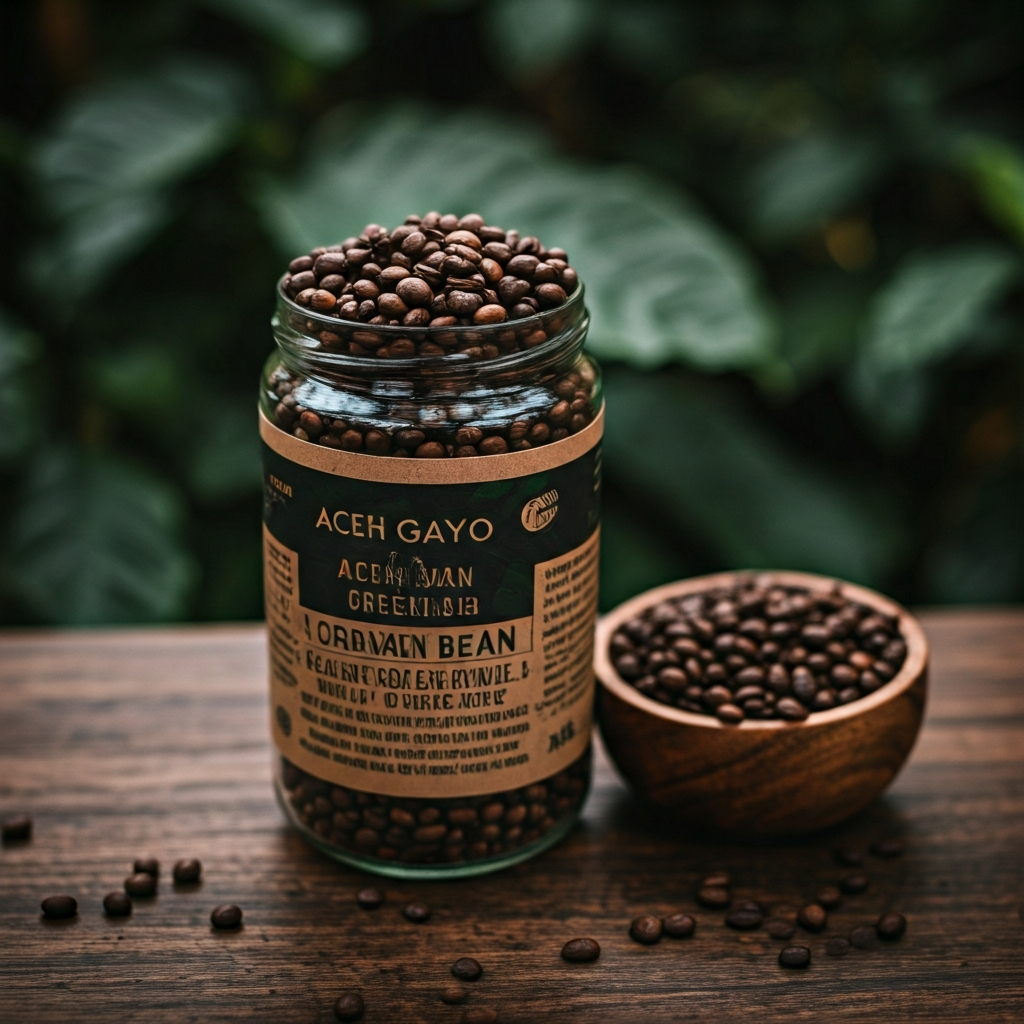
Aceh Gayo Green Bean: A Roaster’s Guide to Profile, Processing & Sourcing
The Aceh Gayo green bean is more than just a coffee bean; it’s a testament to the rich, volcanic terroir of Sumatra and a prize for any serious roaster. For those looking to captivate customers with a cup that is both profoundly complex and beautifully balanced, mastering this Indonesian jewel is essential. This guide provides the definitive roadmap to unlocking the full potential of the Aceh Gayo green bean.
Indonesia is the world’s fourth-largest coffee producer, and its reputation is built on unique origins like Gayo. The region’s specific microclimate and processing traditions create a coffee that simply cannot be replicated anywhere else on Earth. Understanding its nuances is the first step toward a perfect roast.
What Makes Aceh Gayo a Specialty Coffee Roaster’s Dream?
The Aceh Gayo green bean is a high-quality Arabica coffee sourced from the Gayo Highlands of Sumatra, Indonesia. Renowned for its heavy body, low acidity, and complex flavor profile of dark chocolate, earthy notes, and spice, it is a cornerstone of the specialty coffee industry. It’s a favorite for roasters seeking an Aceh Gayo green bean with exceptional character and a unique story.

A close-up of premium Aceh Gayo green beans, showcasing their distinct bluish-green hue.
The Prized Terroir of the Gayo Highlands
Nestled around the Gayo mountains and Lake Tawar, this region is a paradise for coffee cultivation. The volcanic soil is rich in essential nutrients, and the altitude, typically between 1,200 and 1,700 meters above sea level (MASL), allows the coffee cherries to mature slowly. This extended maturation develops the complex sugars and acids that define a world-class coffee like the Aceh Gayo green bean.
Furthermore, the region’s abundant rainfall and consistent temperatures create a stable growing environment. This unique terroir is directly responsible for the bean’s signature heavy body and deep, resonant flavor notes that roasters and consumers cherish.
A Legacy of Quality: From Seed to Sack
Gayo coffee is predominantly grown by smallholder farmers who have passed down cultivation techniques through generations. This deep-rooted expertise is crucial to the quality of the final product. The farmers, often working in cooperatives, selectively hand-pick only the ripest red cherries, the first critical step in ensuring a defect-free, specialty-grade lot.
This commitment to quality is a core part of the Gayo identity. As exporters, we at Arjuna Coffee collaborate directly with these cooperatives, ensuring that their meticulous work is rewarded and that our roasting partners receive a truly exceptional Aceh Gayo green bean every time.
The Unique Flavor Profile of Aceh Gayo Green Bean Coffee
While often grouped with other Sumatran coffees, Aceh Gayo possesses a distinct and sought-after flavor profile. Unlike the bright, floral notes of some African or Central American beans, Gayo offers a grounding, rich, and deeply satisfying experience.
Core Cupping Notes: Earthy, Herbal, and Spice
A classic Gayo cup is famously complex and intense. Roasters can expect to find dominant notes of dark chocolate, cedar, and sweet tobacco. These are complemented by a subtle, pleasant earthiness and hints of spices like clove and black pepper.
In contrast to its Sumatran cousin, Mandheling, Gayo often presents a cleaner, more refined cup. While both are known for their earthy tones, Gayo tends to have a slightly lighter body and a more pronounced sweetness. This makes the Aceh Gayo green bean incredibly versatile.
Acidity, Body, and Aftertaste: A Delicate Balance
One of the defining characteristics of an Aceh Gayo green bean is its remarkably low acidity. This makes it exceptionally smooth and gentle on the palate. The body, however, is full and syrupy, coating the mouth with a rich, velvety texture.
The aftertaste is long, clean, and pleasantly resonant, often leaving a lingering sweetness of brown sugar or molasses. This combination of low acid and heavy body makes Gayo an excellent base for espresso blends and a standout single-origin offering.
| Attribute | Aceh Gayo | Sumatra Mandheling | Toraja Kalosi |
|---|---|---|---|
| Acidity | Low | Very Low | Medium, Balanced |
| Body | Heavy, Syrupy | Full, Creamy | Full, Silky |
| Flavor Notes | Earthy, Dark Chocolate, Spice, Cedar | Earthy, Tobacco, Baker’s Chocolate | Fruity, Dark Chocolate, Herbal |
Mastering the Process: How Gayo Beans Get Their Character
The processing method is arguably the most critical factor in shaping the final flavor of a coffee. In the Gayo region, a unique, traditional method known as “Giling Basah” is the star of the show, contributing directly to the bean’s iconic profile.

A flowchart comparing the Wet-Hulled, Washed, and Natural processing methods.
The Traditional Wet-Hulled (Giling Basah) Method
Giling Basah, or the wet-hulled process, is a technique almost exclusively practiced in Indonesia. This method significantly reduces acidity and enhances body, according to research published by the Food Chemistry journal.
Here’s how it works:
- Pulping: Farmers run the freshly picked coffee cherries through a hand-cranked pulper to remove the outer skin.
- Overnight Fermentation: The beans, still coated in their mucilage, are fermented overnight in bags or tanks to break down the sticky layer.
- Initial Drying: The beans are washed and then sun-dried for a few hours until the moisture content drops to around 30-40%.
- Wet Hulling: This is the key step. The parchment layer is removed while the bean is still wet and swollen. This is unlike any other process, where hulling happens at ~11% moisture.
- Final Drying: The “naked” green beans are then dried to the final export-ready moisture content of 11-12%.
This process imparts the classic Sumatran earthy, deep flavors and is responsible for the signature dark, bluish-green appearance of the Aceh Gayo green bean.
Video Suggestion: Embed a YouTube video showing the Giling Basah process at a washing station in the Gayo Highlands, highlighting the key wet-hulling stage. This provides immense value and demonstrates expertise.
Exploring Washed and Natural Process Gayo Beans
While Giling Basah is dominant, some Gayo producers are experimenting with other methods. A fully washed Gayo will have a brighter, cleaner cup with more pronounced acidity and less of the classic earthy character. In contrast, a natural (dry-processed) Aceh Gayo green bean will offer intense, fruity, wine-like notes, though these are much rarer to find.
Roasting the Aceh Gayo Green Bean: A Guide to the Perfect Profile
Roasting an Aceh Gayo green bean requires a unique approach. Its high moisture content from the Giling Basah process and its dense structure mean it behaves differently in the roaster compared to a washed Central American bean.
Charge Temperature and Rate of Rise (RoR)
For an Aceh Gayo green bean, a slightly higher charge temperature than you might use for a delicate washed bean is often effective. This helps the dense, high-moisture bean to start drying and reach the turning point efficiently. However, the key is managing the Rate of Rise (RoR).
After the initial drying phase, aim for a steady, gradually declining RoR. A crash in the RoR before first crack can lead to a stalled roast and baked flavors. Conversely, a runaway RoR into first crack can scorch the bean. Use your senses: the transition from grassy smells to bready and then sweet notes is your guide. Slowing down the roast just before first crack allows for full flavor development.
First Crack & Development Time: Key Milestones
Due to its density, Gayo coffee can absorb a lot of heat. Roasters should apply ample energy at the beginning of the roast to penetrate the core of the bean. However, it’s crucial to taper off the heat as you approach the first crack to avoid scorching the exterior.
A development time of 20-25% (the time from the start of the first crack to the end of the roast) is a great starting point. This develops the syrupy body and deep chocolatey notes without introducing excessive roasty flavors. As Perfect Daily Grind notes, managing the roast of wet-hulled beans is a skill that pays dividends in the cup.
Sample Roast vs. Production Roast
For your sample roast, aim for a City to Full City roast (medium) to evaluate the bean’s inherent qualities. This will reveal the balance of the Aceh Gayo green bean’s earthy, spicy, and sweet notes. For production, a Full City to Full City+ roast (medium-dark) often shines, caramelizing the sugars to enhance the dark chocolate and syrupy body, making it ideal for espresso or a robust drip coffee.
Avoiding Common Roasting Mistakes with Aceh Gayo Green Bean
The most common mistake is roasting too fast, which can result in an underdeveloped center and a baked, flat taste. Avoid a sharp, fast ramp-up in temperature without allowing the bean’s core to catch up.
A second pitfall is roasting too dark (into the second crack). This can obliterate the bean’s unique herbal and spice notes, replacing them with generic smoky flavors. The goal is to caramelize, not carbonize, to preserve the soul of this incredible Aceh Gayo green bean.

Professional cupping is essential for quality control and profile discovery.
Expert Sourcing: How to Buy High-Quality Aceh Gayo Green Beans
Sourcing an authentic, high-quality Aceh Gayo green bean requires a discerning eye and a reliable partner. The global coffee market report from the International Coffee Organization (ICO) highlights the growing demand for traceable, high-quality lots.
Understanding Grading and Defect Counts
Specialty Gayo is typically graded as Grade 1 (G1) or Specialty Grade, which adheres to strict standards set by the Specialty Coffee Association (SCA). This means a maximum of 0-3 full defects and 0-5 secondary defects in a 350g sample, with clean, uniform bean size. When sourcing, always ask for the grade and a recent crop report. A lower-grade Aceh Gayo green bean may be cheaper, but it will introduce inconsistencies and off-flavors into your roast.
The Importance of Direct Trade and Traceability
Knowing exactly where your Aceh Gayo green bean comes from is paramount. A traceable lot can be linked back to the specific washing station or cooperative. This not only guarantees authenticity but also ensures the coffee was ethically sourced and that farmers received a fair price. At Arjuna Coffee, we provide full traceability for all our lots, connecting you to the source.
Key Questions to Ask Your Green Coffee Supplier:
- What is the altitude and specific micro-region?
- Is this a Grade 1 or Specialty Grade lot?
- What was the processing method (Giling Basah, Washed, etc.)?
- What is the harvest date? (Freshness is key!)
- Can you provide a sample for me to roast and cup?
Looking to source premium Indonesian green coffee beans? Arjuna Coffee specializes in exporting the finest single-origin beans, from earthy Sumatra Mandheling to fruity Bali Kintamani. Partner with us for reliable quality, ethical sourcing, and exceptional taste. Contact our trading team today to elevate your coffee roasting business.
Frequently Asked Questions (FAQs)
What does Aceh Gayo coffee taste like?
Aceh Gayo coffee offers a low-acidity, full-body cup. Its complex flavor profile is defined by rich notes of dark chocolate, earthy cedar, and warm spices. Roasters and drinkers appreciate its clean, sweet aftertaste, often reminiscent of brown sugar, making it exceptionally smooth.
Is Aceh Gayo Arabica or Robusta?
Aceh Gayo is an Arabica coffee. It is grown at high altitudes in the Gayo Highlands of Sumatra, which is ideal for developing the complex flavors characteristic of high-quality Arabica beans. It should not be confused with Indonesian Robusta, which has a bolder, more bitter flavor.
What is the “Giling Basah” process?
Giling Basah, or wet-hulling, is a unique processing method used in Indonesia. It involves removing the parchment layer from the coffee bean at a high moisture content (30-40%), which imparts a distinctively earthy flavor, heavy body, and low acidity to the final cup.
How should I store green coffee beans?
Store your green coffee beans in a cool, dark, and dry place with stable temperature and humidity. Use airtight containers or the specialty grain-pro bags they are often shipped in. This protects them from moisture, oxygen, and strong odors, preserving their quality for months.
Can I use Aceh Gayo for espresso?
Absolutely. With its low acidity, heavy body, and rich chocolate notes, Aceh Gayo is a phenomenal single-origin espresso. It adds significant depth, body, and a massive amount of crema to blends without introducing any unwanted sharpness, making it a valuable component for roasters.
Conclusion: Elevate Your Offering with an Elite Bean
The Aceh Gayo green bean is a challenging yet immensely rewarding coffee for any roaster. The unique profile of the Aceh Gayo green bean, born from the Gayo Highlands’ terroir and the Giling Basah process, offers a taste experience that is both powerful and refined. By understanding its origin, mastering its roast profile, and partnering with a trusted sourcing expert, you can transform this exceptional bean into a cornerstone of your coffee program.
Ultimately, a well-roasted Aceh Gayo tells a story of place, tradition, and meticulous care. Adding a premium, traceable Aceh Gayo green bean to your lineup is a definitive statement of quality that will resonate with discerning coffee lovers and set your brand apart in a competitive market.

From green bean to perfect cup, the Aceh Gayo journey is one of quality.
Explore Our Premium Indonesian Coffee Beans
While the Aceh Gayo is a Sumatran classic, Indonesia offers a dazzling array of flavors. At Arjuna Coffee, we are proud to export a curated selection of the archipelago’s finest. We invite you to explore other exceptional beans from our portfolio:
- Sumatra Mandheling Green Bean: Discover Gayo’s bolder, earthier cousin.
- Toraja Kalosi Green Bean: A balanced and fruity cup from Sulawesi.
- Java Preanger Washed Green Bean: A clean and classic profile from the birthplace of Indonesian coffee.
- Flores Bajawa Natural Green Bean: A sweet and floral bean with nutty undertones.
- Bali Kintamani Honey Process Green Bean: An exceptionally fruity and vibrant coffee with citrus notes.
Interested in Our Green Beans?
Explore our curated catalog of premium Indonesian green coffee beans directly sourced from the islands.
 English