admin
Arjuna Coffee Team
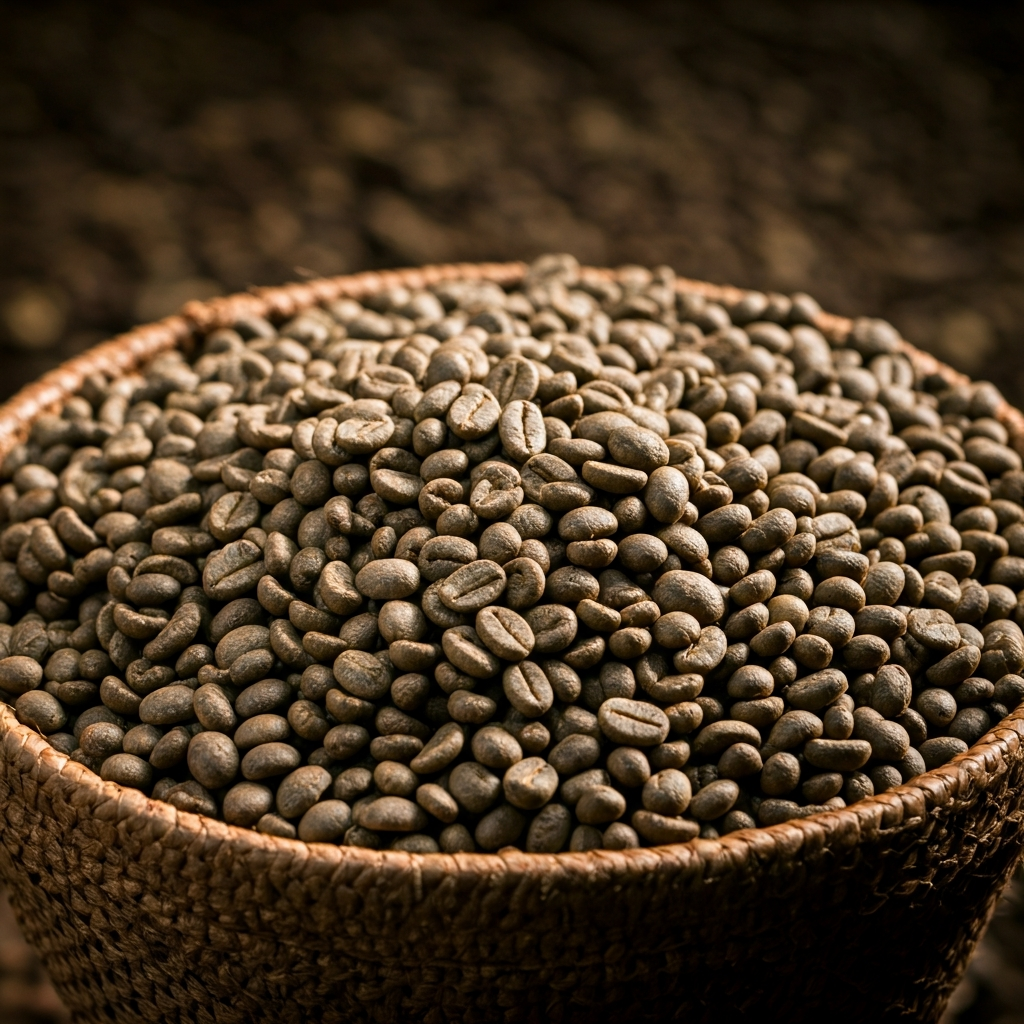
Aceh Gayo Green Coffee Beans: A Buyer’s Guide to Price, Quality & Sourcing
Sourcing premium Aceh Gayo green coffee beans is a game-changer for any serious roaster, but navigating the market can be complex. This guide is your definitive 2026 resource for understanding price nuances, assessing quality, and mastering sourcing to ensure you acquire only exceptional lots.
Nestled in the remote highlands of Sumatra, Indonesia, the Gayo region is legendary. This unique terroir, with altitudes soaring between 1,200 and 1,700 meters above sea level (MASL), gives birth to a coffee bean unlike any other.
According to the International Coffee Organization, Indonesia is a top global coffee producer. Sumatran coffees like Gayo lead the specialty market with their distinctive profiles. The secret lies in a trifecta of volcanic soil, specific Arabica varietals, and the iconic Giling Basah (wet-hulling) process.
What Makes Aceh Gayo Coffee Truly Special?
Understanding Gayo coffee begins with its origins. Unlike mass-market coffees, Gayo’s unique character is a direct result of its environment and the generations of farming wisdom passed down by the Gayo people. It’s a story of terroir and tradition in every cup.

The Unique Terroir of the Gayo Highlands
The Gayo Highlands in Aceh, northern Sumatra, are characterized by volcanic soil rich in organic matter. This fertile ground, combined with a cool, misty climate and high altitudes, allows the coffee cherries to mature slowly.
This slow maturation develops a higher concentration of sugars and complex acids within the bean. The result is a more nuanced and aromatic flavor profile that specialty roasters prize.
A Legacy of Cultivation by the Gayo People
The coffee from this land is inseparable from the Gayo people, an ethnic group with a deep-rooted history in the Central Aceh highlands. For them, coffee is not just a crop; it’s a cultural and economic cornerstone.
Their meticulous cultivation and harvesting practices, refined over generations, are essential to the quality of the final product. Sourcing Gayo coffee often means engaging with this rich cultural heritage.
The Legendary “Giling Basah” (Wet-Hulled) Process
Perhaps the most defining characteristic of Sumatran coffee is the Giling Basah process. Unlike washed or natural methods, wet-hulling involves pulping the coffee cherry, partially drying the bean, and then hulling it while its moisture content is still high (around 25-35%).
Coffee experts frequently discuss this unique process in publications like Daily Coffee News. It imparts the classic Sumatran profile: a heavy, syrupy body, muted acidity, and intense, earthy notes of cedar, dark chocolate, and spice. It’s a bold and unmistakable taste.
Distinctive Flavor Profile & Cupping Notes
A high-quality Gayo coffee, when properly roasted, delivers a complex and satisfying cup. Roasters and buyers should look for the following notes during a cupping analysis:
- Aroma: Earthy, cedar, sweet tobacco, and a hint of stone fruit.
- Flavor: Dark chocolate, brown sugar, leather, and herbal undertones.
- Acidity: Low to medium, often described as tangy rather than bright.
- Body: Full, syrupy, and exceptionally smooth.
Quality Factors for Aceh Gayo Green Coffee Beans
Not all Gayo is created equal. True quality assessment goes beyond the origin name. For professional buyers, understanding the technical specifications of Aceh Gayo green coffee beans is non-negotiable. This is how you differentiate a standard lot from a world-class micro-lot.
[Infographic Suggestion: A flavor wheel for Aceh Gayo coffee. The center shows primary notes (Dark Chocolate, Cedar, Earthy). A middle ring shows secondary notes (Brown Sugar, Tobacco, Herbal, Spice). The outer ring shows subtle tertiary notes (Plum, Black Tea, Grapefruit).]
Quality Metrics for Aceh Gayo Green Coffee Beans: Grade, Defects, and Screen Size
Specialty Gayo coffee is graded based on defect count per 300g sample, following standards from the Specialty Coffee Association (SCA). Grade 1 (G1) is the highest quality, with 0-11 full defects.
Screen size also matters; larger beans (screen 16-18) often correlate with higher quality and more even roasting. Always request a spec sheet detailing grade, moisture content (ideally 11-12.5% at export), and defect count.
The Importance of Altitude (MASL) and Varietals
Higher altitudes lead to denser, more complex beans. Always ask for the specific altitude where your lot was grown. Coffee professionals generally consider beans grown above 1,400 MASL to be Strictly High Grown (SHG), which command a premium.
The dominant Arabica varietals in Gayo are Ateng (a Catimor-related hybrid) and Tim Tim (a Timor Hybrid derivative). Both are known for their resilience and contribution to the classic Gayo cup profile.
The Ultimate Sourcing Guide for Aceh Gayo Green Coffee Beans
Now that you know how to assess quality, the next step is securing the beans. Sourcing directly from Indonesia can seem daunting, but with the right strategy, it’s the best way to ensure quality and transparency.

Direct Trade vs. Working with Exporters
Direct trade involves building a relationship with a farmer or cooperative. While rewarding, it requires a significant investment in time, travel, and logistics.
For most roasters, partnering with a trusted, reputable exporter like Arjuna Coffee is the most efficient path. We bridge the gap, handling quality control, logistics, and financing while maintaining transparent relationships with our farming partners. This ensures you get consistent, high-quality beans without the operational headache.
Navigating Price Fluctuations in 2026
Coffee is a commodity, and its price is subject to market fluctuations, climate events, and global supply-and-demand, as tracked in reports by organizations like the USDA. The 2026 market will be influenced by harvest yields and global economic trends.
The key is not to find the cheapest option, but the best value. A reliable exporter will provide fair, stable pricing that reflects the beans’ superior quality and the farmers’ ethical treatment.
Price vs. Quality: Finding the Sweet Spot
In coffee sourcing, the adage “you get what you pay for” is profoundly true. Cutting corners on price often means compromising on bean quality or ethical practices, which can damage your brand’s reputation.
Decoding the Factors that Influence Gayo Coffee Prices
Several key factors determine the final price of Aceh Gayo green coffee beans:
- Quality Grade: Grade 1 beans command a significant premium over Grade 2 or 3.
- Certifications: Organic and Fair Trade certifications add cost but also add value and marketability.
- Lot Size: Smaller, more exclusive micro-lots are more expensive than larger, regional blends.
- Market Rate: The global ‘C’ market price sets a baseline, with quality differentials added on top.
Why Cheaper Isn’t Better: A Roaster’s Warning
Low-priced Gayo often indicates issues like high defect counts, inconsistent moisture, or past-crop beans. These problems lead to uneven roasts, off-flavors (like mold or phenols), and disappointed customers.
Investing in higher-quality lots from a trusted source ensures a superior final product and protects your brand’s integrity.
Comparing Gayo Processing Methods
While Giling Basah is traditional, some Gayo producers experiment with other methods. Understanding these differences is crucial for choosing the right profile for your coffee brand.
| Attribute | Giling Basah (Wet-Hulled) | Fully Washed | Natural |
|---|---|---|---|
| Body | Heavy, Syrupy | Medium, Tea-like | Heavy, Winey |
| Acidity | Muted, Low | Bright, Crisp | Variable, often Fruity |
| Flavor Profile | Earthy, Cedar, Chocolate | Clean, Floral, Citrus | Intense Fruit, Fermented |
As the table shows, Giling Basah offers the classic, sought-after Sumatran profile that has made the region famous. It is the authentic taste of Gayo.
How to Roast Aceh Gayo Green Coffee Beans: A Primer
Roasting wet-hulled beans presents a unique challenge, but the reward is immense. Because of their higher initial moisture and density, they behave differently than washed or natural coffees.
[Video Suggestion: An embedded YouTube video titled “The Giling Basah Process: From Cherry to Green Bean in the Gayo Highlands”. The video shows local farmers executing each step of the wet-hulling process, with cinematic shots of the landscape and interviews explaining the technique.]
Managing Heat and Development Time
Gayo beans can absorb a lot of heat initially. Use a slightly higher charge temperature, but be prepared to manage the heat application carefully to avoid scorching the bean surface.
The drying phase may take longer. Monitor the Rate of Rise (RoR) closely, aiming for a steady decline to avoid stalling or crashing as you approach the first crack. A total roast time of 11-13 minutes is a good target for most drum roasters.
First Crack and Post-Crack Development
The first crack of a Giling Basah bean can be less aggressive than that of a high-acidity washed coffee. Pay close attention to the sound. Development time post-first crack is key.
To highlight the heavy body and deep chocolatey notes, aim for around 20-25% development time (the time from the start of first crack to the end of the roast). A medium to medium-dark roast level is typically the sweet spot for these beans.
Frequently Asked Questions
What does Aceh Gayo coffee taste like?
Aceh Gayo coffee is renowned for its full, syrupy body and low acidity. Its flavor profile is complex and earthy, dominated by notes of dark chocolate, cedar, fresh tobacco, and subtle hints of stone fruit. This distinctive taste is largely due to the Giling Basah process.
Is Gayo coffee Arabica or Robusta?
The specialty coffee from this region is exclusively Arabica. The primary varietals grown in the Gayo Highlands are Ateng Super and Tim Tim, which are well-suited to the local climate and contribute to the bean’s unique flavor characteristics and resilience against pests.
What is the best way to source Aceh Gayo green coffee beans?
For most international roasters, the most reliable and efficient method is partnering with a reputable Indonesian coffee exporter. A good exporter manages quality control, logistics, and farmer relationships, ensuring you receive consistent, high-quality beans without the complexity of direct sourcing.
How much do Aceh Gayo green coffee beans cost in 2026?
Pricing for Aceh Gayo green coffee beans varies based on quality grade, certifications, lot size, and prevailing global coffee market conditions. Expect to pay a premium for high-grade, certified lots over standard offerings, reflecting their superior quality and ethical production in 2026.
Why is the “Giling Basah” process so important for Gayo coffee?
Giling Basah, or wet-hulling, is critical to creating the signature Sumatran cup profile. By removing the parchment at a high moisture content, the beans dry more quickly in the humid climate and develop their characteristic heavy body, muted acidity, and earthy flavors.
Conclusion: Sourcing Your Aceh Gayo Green Coffee Beans
Mastering the art of sourcing Aceh Gayo green coffee beans requires a blend of knowledge, diligence, and a reliable partner. By understanding the interplay of terroir, processing, and quality metrics, you can confidently select beans that will captivate your customers.
Don’t settle for mediocrity; the exceptional, complex cup profile of authentic Gayo coffee is worth the effort. Arjuna Coffee is committed to being your trusted partner on the ground in Indonesia, ensuring every bag meets the highest standards.

By partnering with us, you gain access to the finest lots, including our flagship Aceh Gayo green coffee beans, ensuring your roastery delivers an authentic taste of the Sumatran highlands.
Explore Our Premium Indonesian Coffee Beans
Discover the diverse flavor profiles of the Indonesian archipelago. In addition to our premium Gayo, we are proud to export other world-class single-origin beans:
Interested in Our Green Beans?
Explore our curated catalog of premium Indonesian green coffee beans directly sourced from the islands.
 English