admin
Arjuna Coffee Team
Sourcing Aceh Gayo Green Beans: A Roaster’s Guide to Profile, Grades & Quality
Sourcing Aceh Gayo green beans is the critical first step for any roaster looking to offer a truly exceptional Sumatran coffee experience. These beans, hailing from the lush highlands of Indonesia, present a unique challenge and a remarkable opportunity.
For roasters in 2026, the demand for authentic, high-quality single-origin coffees has never been higher. According to the International Coffee Organization (ICO), the global market for specialty coffee is projected to grow by over 12% annually. At the heart of this trend lies the desire for beans with a story and a distinct sense of place, a description that perfectly fits Aceh Gayo. This guide provides the expert knowledge you need to navigate the complexities of profile, grades, and quality assurance.
The Allure of Aceh Gayo: Why It’s a Must-Have for Roasters
Nestled in the northern tip of Sumatra, the Gayo highlands are a place of breathtaking beauty and exceptional coffee cultivation. The region’s terroir, situated at altitudes between 1,200 and 1,700 meters above sea level (MASL), provides the perfect cool climate for Arabica beans to develop their signature complexity and density.
Furthermore, the Gayo people have a rich heritage of coffee cultivation, employing traditional methods passed down through generations. This combination of ideal geography and deep-rooted expertise results in a coffee that is both consistently excellent and profoundly unique, making it an essential offering for any serious coffee roaster.
From the Highlands to Your Hopper: What Makes Gayo Special?
Aceh Gayo’s distinctiveness comes from several key factors. The volcanic loam soil is rich in nutrients, creating a fertile ground for the coffee cherries to mature slowly, developing more complex sugars and acids. This slow maturation is crucial for the deep, resonant flavor profiles for which Gayo is renowned.
Additionally, the prevalence of the ‘Giling Basah’ or wet-hulled processing method imparts the classic Sumatran character: low acidity, heavy body, and earthy, often spicy, notes. This process, born of the region’s humid climate, is a hallmark of Indonesian coffee and a key element in the Gayo flavor profile.
[Image: A panoramic shot of the Gayo Highlands in Aceh, with terraced coffee plantations under a misty morning sun. Farmers can be seen in the distance, tending to the coffee cherries. Alt: Misty Gayo Highlands, a key step in sourcing Aceh Gayo green beans. Title: The Terroir of Aceh Gayo Coffee.]
Decoding the Gayo Profile: Flavor, Aroma & Acidity
The sensory experience of Aceh Gayo coffee is a journey in itself. While individual lots vary, a classic Gayo cup profile is beloved for its remarkable balance and depth. Discerning roasters and consumers cherish it for its full-bodied, smooth character.
When cupping a high-quality Gayo, you can expect a complex interplay of notes. It’s this complexity that makes the process of sourcing Aceh Gayo green beans so rewarding.
Primary Flavor Notes
The flavor profile is often dominated by earthy and rustic tones, a direct result of the terroir and Giling Basah processing. Expect to find notes of:
- Earthy & Herbal: Dark chocolate, cedar, and fresh soil.
- Spicy: Hints of clove, tobacco, and black pepper.
- Fruity Undertones: A subtle sweetness reminiscent of black cherry, dried fig, or tropical fruit often appears as the cup cools.
Aroma and Body
The aroma is typically intense and fragrant, with a mix of sweet, spicy, and earthy scents. The body is where Gayo truly shines; it is consistently heavy, syrupy, and lingering, coating the palate with a satisfying richness that is hard to find in other origins. Acidity is typically muted and gentle, providing just enough brightness to prevent the cup from feeling flat.
A Roaster’s Guide to Sourcing Aceh Gayo Green Beans
Navigating the market for premium Gayo beans requires a strategic approach. Success is not just about finding a supplier; it’s about building a partnership and understanding the key indicators of quality. The choices you make during the sourcing process will directly impact the final cup you present to your customers.
Key Quality Indicators When Sourcing Aceh Gayo Green Beans
When evaluating a sample of Aceh Gayo green beans, focus on these critical markers:
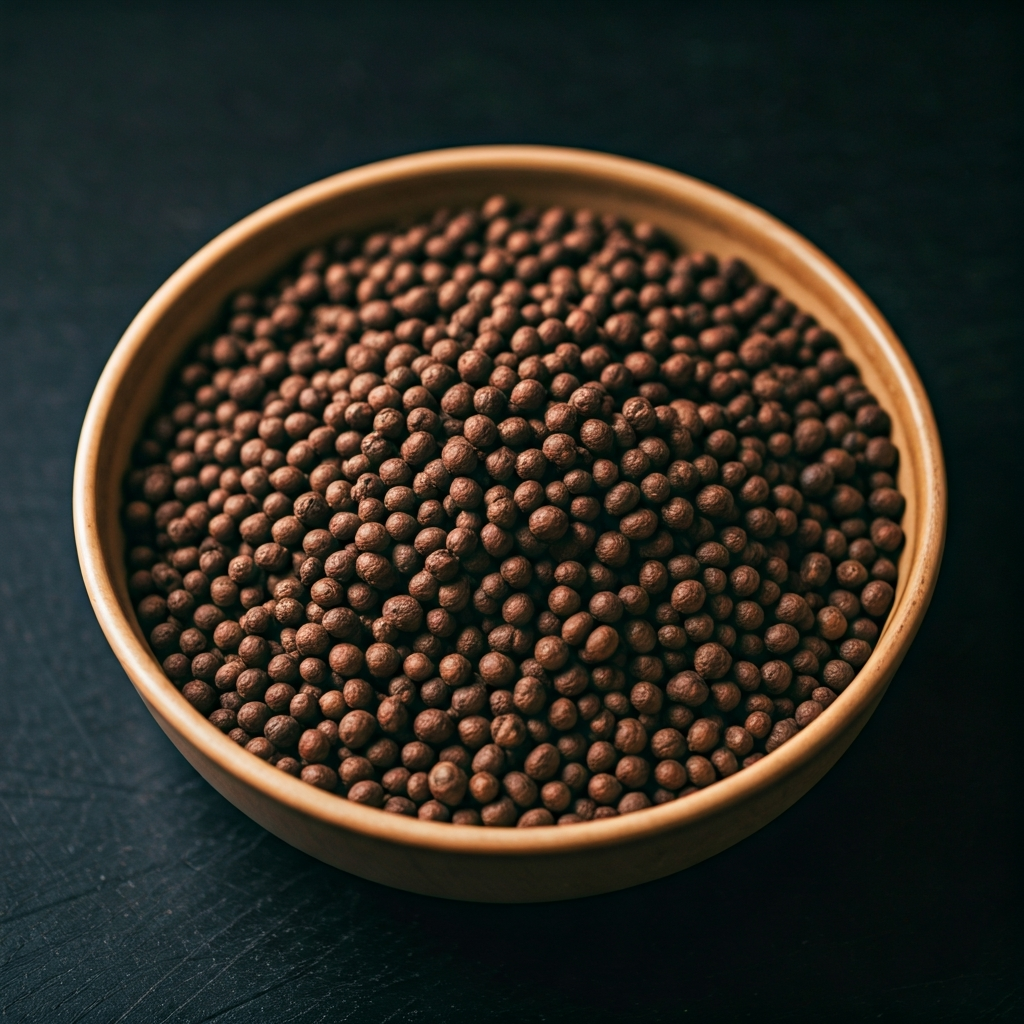
- Bean Uniformity and Color: Look for consistent size and a deep, bluish-green hue characteristic of wet-hulled beans. Variation in color can indicate inconsistent processing or drying.
- Defect Count: A low defect count is a primary indicator of quality. A great resource for this is the Specialty Coffee Association (SCA) Green Coffee Grading Handbook. Aim for Specialty Grade (0-5 defects per 350g sample).
- Moisture Content: The ideal moisture content for Gayo beans is between 11% and 12.5%. Anything outside this range can lead to flavor taints or rapid degradation during storage.
- Cupping Score: Ultimately, the cup is the final arbiter. A quality Gayo should score 84+ on the SCA scale, showcasing the classic profile with cleanliness and complexity. This is a crucial step in the process.
Verifying these details is a core part of the process for sourcing Aceh Gayo green beans from top-tier suppliers.
Building Relationships with Suppliers
Direct trade or close relationships with reputable exporters like Arjuna Coffee are invaluable. A good partner provides transparency, consistency, and access to the best lots. They can offer detailed information on the specific cooperative, elevation, and processing details that separate a good coffee from a great one.
Understanding Gayo Coffee Grades & Processing Methods
The value and flavor profile of Gayo coffee are intrinsically linked to its processing and grading. While Giling Basah is dominant, other methods are emerging, offering roasters a wider palette of flavors to explore. Understanding these nuances is key to effective sourcing.
The Giling Basah (Wet-Hulled) Process Explained
This uniquely Indonesian method involves pulping the coffee cherry, a brief fermentation, washing, and then hulling the parchment while the bean is still at a high moisture content (around 30-40%). This process is what gives the beans their signature bluish tint and contributes to the iconic earthy flavor profile. For an in-depth look at this method, Perfect Daily Grind provides an excellent overview.
[Video: An embedded YouTube video showing the Giling Basah (wet-hulling) process in action at a cooperative in the Gayo highlands. Title: The Giling Basah Process: Unlocking Sumatra’s Signature Flavor.]
Comparison of Gayo Processing Methods
| Processing Method | Flavor Profile | Acidity | Body |
|---|---|---|---|
| Giling Basah (Wet-Hulled) | Earthy, Spicy, Cedar, Dark Chocolate | Low | Heavy, Syrupy |
| Fully Washed | Cleaner, Brighter, Citrus, Floral | Medium-High | Medium |
| Honey / Natural | Sweet, Fruity, Tropical Fruits, Winey | Medium | Full, Rounded |
Navigating Indonesian Grading Systems
Grading in Indonesia can be complex. While SCA standards are often used for export, traditional local grades (Grade 1, 2, etc.) based on defect count and screen size are also common. When sourcing, always clarify which grading system is being used and request a Pre-Shipment Sample (PSS) to confirm quality.
[Image: An infographic-style visual comparing Giling Basah, Washed, and Natural processing. Each method shows a flow chart from cherry to green bean with flavor icons (earth, flower, fruit). Alt: Infographic comparing coffee processes for sourcing Aceh Gayo green beans. Title: Gayo Processing: From Cherry to Cup.]
The Art of Roasting Aceh Gayo Beans for Peak Flavor
Roasting Gayo beans requires a different approach than high-acidity washed coffees. Their lower density and higher moisture content from the wet-hulling process mean they can be sensitive to high heat early in the roast.
A gentle hand is needed. Start with a lower charge temperature and extend the drying phase to manage the moisture. The goal is to develop the inherent sweetness and heavy body without introducing roasty or baked flavors. Many roasters find success with a slower ramp to first crack and a moderate development time (15-20%) to fully express the bean’s chocolatey, earthy character. Successful roasting is the final step in the journey of sourcing Aceh Gayo green beans.
Our Commitment: Ethical & Sustainable Sourcing Aceh Gayo Green Beans
At Arjuna Coffee, our mission goes beyond just exporting coffee. We are deeply committed to the ethical and sustainable sourcing of Aceh Gayo green beans. This means ensuring fair prices for the farmers and cooperatives we partner with and promoting environmentally friendly agricultural practices.
We also invest in the communities that produce this incredible coffee. Our on-the-ground presence allows us to maintain strict quality control from farm to port, guaranteeing that every bag of Gayo coffee we export meets the highest standards of quality and integrity. This commitment is our promise to you and the final link in the chain of trust. Research from institutions like the World Bank on coffee value chains underscores the importance of such sustainable practices for long-term industry health.
[Image: A close-up shot of roasted Aceh Gayo coffee beans next to a burlap sack with “GAYO” stenciled on it. A cupping spoon and a notebook with tasting notes are nearby. Alt: Roasted Aceh Gayo coffee beans. Title: Cupping and Roasting Gayo Beans.]
Frequently Asked Questions (FAQ)
What does Aceh Gayo coffee taste like?
Aceh Gayo coffee is renowned for its low acidity, heavy body, and complex flavor profile. You can expect dominant earthy and spicy notes like dark chocolate, cedar, and clove, often with a subtle sweetness of dark fruit on the finish. It’s a smooth, rich, and deeply satisfying cup.
How are Aceh Gayo coffee beans graded?
Gayo beans are typically graded by defect count (per 350g sample), screen size, and moisture content. While local grading systems exist, export-quality beans often adhere to Specialty Coffee Association (SCA) standards. Grade 1 Specialty Coffee has 0-5 defects, ensuring a clean and consistent cup.
Why is the ‘Giling Basah’ method used for Gayo coffee?
The Giling Basah, or wet-hulled, method is a traditional Indonesian practice born from the region’s humid climate, which makes conventional drying difficult. This process is responsible for Gayo’s signature heavy body, muted acidity, and earthy flavor profile, creating a truly unique Sumatran coffee experience.
What is the best way to roast Aceh Gayo green beans?
Due to their unique processing, Gayo beans benefit from a gentle roast profile. Start with a lower charge temperature, extend the drying phase, and aim for a moderate ramp to first crack. A development time of 15-20% is often ideal to fully develop the body and sweetness without introducing bitterness.
Conclusion: Your Partner in Premium Gayo Coffee
In conclusion, the journey of sourcing Aceh Gayo green beans is a rewarding one for the discerning roaster. By understanding its unique flavor profile, navigating the grading system, and respecting the nuances of the Giling Basah process, you can unlock a coffee that will captivate your customers.
Remember that quality, transparency, and strong supplier relationships are the cornerstones of success. We believe this 2026 guide has equipped you with the essential knowledge needed. When you are ready to explore this exceptional origin, partnering with an expert is your greatest asset. For the finest lots, look no further than Arjuna Coffee for your efforts in sourcing Aceh Gayo green beans.
Explore Our Premium Indonesian Coffee Beans
Building on the knowledge from this guide, explore our curated selection of Indonesia’s finest green beans. Each origin offers a unique story and flavor profile, ready to be transformed by your roasting expertise.
Interested in Our Green Beans?
Explore our curated catalog of premium Indonesian green coffee beans directly sourced from the islands.
 English