admin
Arjuna Coffee Team
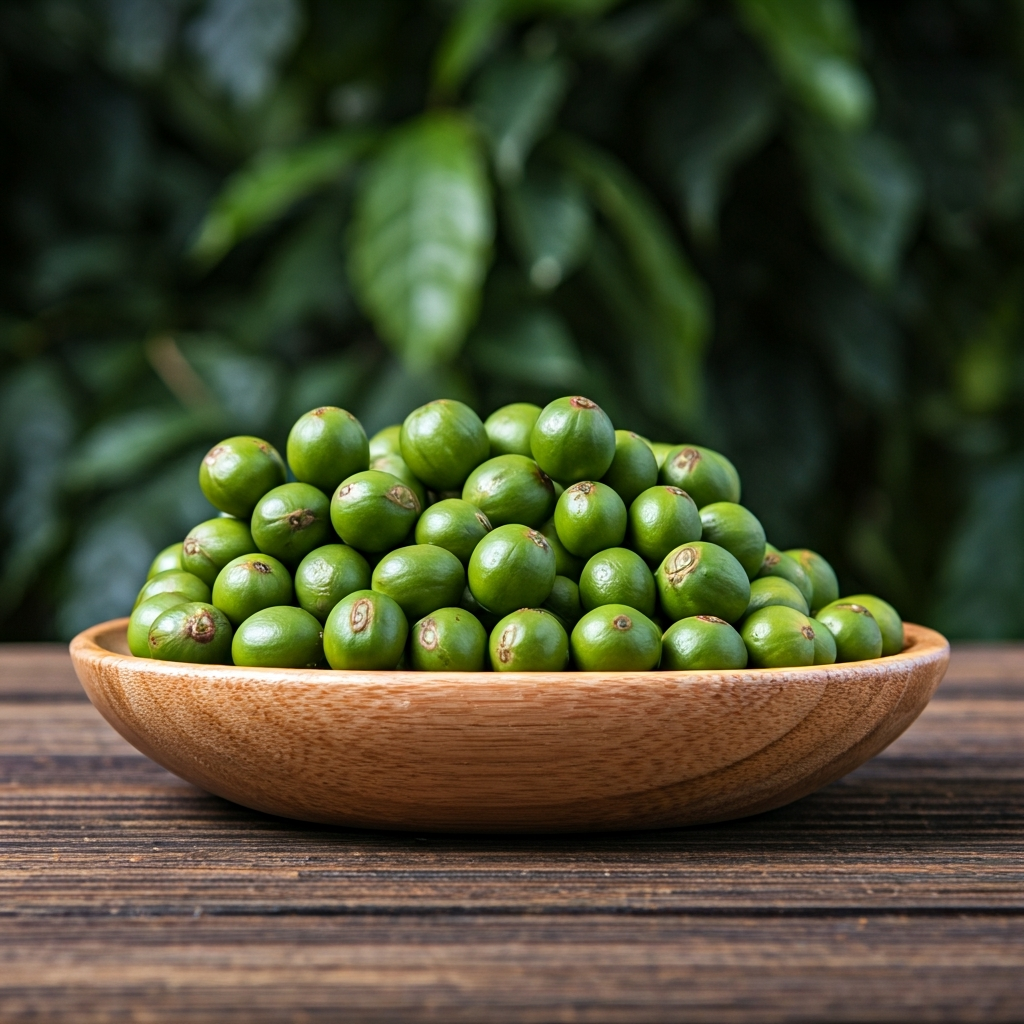
Aceh Gayo Green Bean: The Ultimate Buyer’s Guide (2026)
The Aceh Gayo green bean is far more than a simple commodity. It is the embodiment of Sumatra’s rich volcanic terroir and the unique coffee traditions of the Gayo Highlands. For roasters and green coffee buyers, understanding this exceptional bean is the first step toward unlocking a truly remarkable coffee experience. This guide provides the expert insights you need to navigate the complexities of quality, pricing, and sourcing.
As one of the world’s top five coffee-producing nations, Indonesia offers a staggering diversity of flavors. Yet, the coffees from the Gayo region consistently stand out. According to recent industry reports, Sumatran coffees, led by Gayo and Mandheling, comprise a significant portion of Indonesia’s specialty exports, prized for their distinctive character.
What Makes Gayo a World-Class Coffee Origin?
The global reputation of Gayo coffee isn’t accidental. It’s the result of a perfect convergence of high-altitude geography, unique processing methods, and a deep-rooted coffee culture that prioritizes quality from the moment the cherry is picked.
A Legacy Rooted in the Gayo Highlands
Nestled in the northern tip of Sumatra, the Gayo Highlands are a breathtaking landscape of mountains and plateaus surrounding Lake Tawar. Coffee here is typically grown at altitudes between 1,200 and 1,600 meters above sea level (MASL). This high altitude slows the coffee cherry’s maturation process, allowing more complex sugars and nuanced flavors to develop within the bean.
Furthermore, the region’s fertile volcanic soil provides an ideal mineral composition, contributing to the coffee’s signature body and flavor. The Gayo people, who have cultivated coffee for over a century, possess generations of agricultural wisdom, making them true stewards of this exceptional origin.

The “Giling Basah” Difference: A Uniquely Sumatran Method
Perhaps the most crucial factor defining the character of a Sumatran coffee is the processing method known as Giling Basah, or wet-hulling. Unlike washed or natural processes, wet-hulling involves de-pulping the cherry and then partially drying the parchment-covered bean to 30-50% moisture content before hulling.
The naked bean is then dried to the final exportable moisture level of 11-13%. This process, born from the humid Indonesian climate, imparts the classic Sumatran flavor profile: a heavy, syrupy body, muted acidity, and profound earthy, spicy, or chocolatey notes. It’s a method that requires immense skill, showcasing the expertise of Gayo’s producers.
Unlocking the Aceh Gayo Flavor Profile: A Roaster’s Deep Dive
For a roaster, the Gayo bean presents a canvas of deep and complex flavors. Understanding its inherent characteristics is key to developing a roast profile that highlights its best attributes and sets your offering apart.
Official Cupping Notes & Attributes
When evaluated using Specialty Coffee Association (SCA) cupping protocols, a high-quality Aceh Gayo coffee consistently delivers a specific set of sensory experiences. Roasters can expect:
- Aroma: Fragrant notes of dark chocolate, cedar, and sweet pipe tobacco.
- Flavor: A complex palate featuring baker’s chocolate, black cherry, earthy undertones, and hints of warming spices like clove or black pepper.
- Acidity: Low to medium, often described as malic (like an apple) rather than citric, providing balance without sharpness.
- Body: Heavy, full, and syrupy, with a lingering, pleasant finish.
This flavor profile makes this Sumatran coffee exceptionally versatile. It performs beautifully as a single-origin espresso, a robust filter coffee, or the foundational component in a premium blend.

Comparative Flavor Analysis: Gayo vs. Other Origins
To truly appreciate what makes Gayo unique, it’s helpful to compare it to other well-known processing methods and origins. This understanding is critical for menu development and customer education.
| Attribute | Aceh Gayo (Wet-Hulled) | Colombia (Washed) | Ethiopia (Natural) |
|---|---|---|---|
| Acidity | Low & Muted | Bright & Citric | Complex & Winey |
| Body | Heavy & Syrupy | Medium & Smooth | Varies (Juicy to Tea-like) |
| Key Flavors | Earthy, Chocolate, Spice | Caramel, Nutty, Citrus | Blueberry, Strawberry, Floral |
This table clearly illustrates how the Giling Basah process creates a cup profile that is distinctively bold and earthy compared to the cleaner notes of washed coffees or the fruit-forward character of natural beans.
A Buyer’s Guide to Sourcing Quality Aceh Gayo Green Bean
Not all Gayo coffee is created equal. As a buyer, your success hinges on your ability to identify high-quality lots and avoid common pitfalls. This requires a keen eye for detail and a commitment to rigorous quality control.
Grading and Specifications for Aceh Gayo Green Beans
Professional green coffee is graded based on several factors. When sourcing from Gayo, you must pay attention to:
- Grade/Defect Count: Specialty Gayo is typically sold as Grade 1, allowing for a very low number of physical defects per 300g sample. Always ask for the specific defect count.
- Screen Size: While not a direct indicator of flavor, screen size (16-18 is common for top lots) indicates sorting consistency and uniformity.
- Moisture Content: The ideal range is 11-13%. Anything higher risks mold during transit, while anything lower can lead to brittle beans that roast poorly.
- Harvest Date: Freshness is paramount. Always ask for the harvest and shipping dates to ensure you are not buying past-crop coffee, which tastes woody and flat.
Insisting on a pre-shipment sample is a non-negotiable part of the buying process. This allows you to verify these metrics for yourself before committing to a large purchase.
The Importance of Traceability in Sourcing
In today’s market, traceability is a mark of quality and ethical sourcing. A reliable supplier should provide detailed information about the coffee’s journey. As highlighted by publications like Perfect Daily Grind, true traceability goes beyond the region and connects the bean to a specific washing station, farmer cooperative, or even a single estate. This level of detail not only guarantees authenticity but also ensures farmers are rewarded for their quality-focused efforts.
Sourcing Ethically: Sustainability and Certifications in Gayo
Beyond flavor, modern coffee buyers prioritize ethics and sustainability. The Gayo region has made significant strides in this area, offering certified coffees that meet global standards and provide deeper assurance of quality and responsible practices.
Organic, Fair Trade, and Rainforest Alliance
Many cooperatives in the Gayo Highlands hold certifications like Organic, Fair Trade, and Rainforest Alliance. Organic ensures no synthetic pesticides are used, protecting the environment. Fair Trade guarantees farmers receive a minimum price, promoting economic stability. Rainforest Alliance focuses on biodiversity conservation and sustainable livelihoods.
When sourcing, ask suppliers for their certification documents. A legitimate certificate from bodies like USDA Organic or Fair Trade International provides a verifiable layer of trust. According to the Sustainability Consortium, demand for certified coffees is growing, making it a powerful marketing tool for roasters.
Geographical Indication (GI): Protecting Gayo’s Identity
Kopi Arabika Gayo holds a Geographical Indication (GI), a form of intellectual property protection. This legally certifies that coffee sold under this name is genuinely from the Gayo Highlands and produced to specific standards. For buyers, the GI mark is a powerful guarantee of authenticity and origin, protecting you from mislabeled, lower-quality coffee.
Decoding Aceh Gayo Green Bean Pricing for 2026
Pricing for Gayo green coffee can be volatile, influenced by a mix of local and global factors. A strategic buyer must understand these dynamics to budget effectively and recognize true value.
Commodity vs. Specialty: What Are You Paying For?
The price of Gayo coffee can vary dramatically. Lower-priced lots are often commodity-grade coffees that lack traceability and rigorous sorting. While cheaper, they carry a higher risk of defects and flavor taints. A premium, specialty-grade Aceh Gayo commands a higher price because it represents:
- Meticulous Sorting: Labor-intensive hand-sorting to remove physical defects.
- Traceability: Investment in systems that track the coffee back to its source cooperative.
- Better Farmer Premiums: Paying more to farmers for higher quality cherries.
- Certifications: Costs associated with obtaining and maintaining Organic or Fair Trade status.
Key Factors Influencing Gayo Prices
Stay informed about market trends by following reports from organizations like the International Coffee Organization (ICO). In 2026, the main factors affecting the price of Gayo beans will include the annual production yield (affected by climate change), global demand for specialty Sumatran coffees, currency exchange rates (IDR to USD), and logistical costs.
Looking to source premium Indonesian green coffee beans? Arjuna Coffee specializes in exporting the finest single-origin beans, from earthy Sumatra Mandheling to fruity Bali Kintamani. Partner with us for reliable quality, ethical sourcing, and exceptional taste. Contact our trading team today to elevate your coffee roasting business.

Frequently Asked Questions (FAQ)
What does Aceh Gayo coffee taste like?
Aceh Gayo is famous for its distinct flavor profile, characterized by a heavy, syrupy body and low acidity. Common tasting notes include dark chocolate, earthy tones, cedar, and hints of spice. This makes it a bold and complex coffee, perfect for a memorable cup.
Is Aceh Gayo an Arabica or Robusta?
The specialty Aceh Gayo green bean is exclusively Arabica. Several cultivars, including Tim Tim, Ateng, and Bourbon varieties, are grown in the region. These Arabica beans are responsible for the coffee’s complex and nuanced flavor profile, setting it apart from Robusta.
What is the best way to roast Gayo green beans?
Due to the Giling Basah process, Gayo beans are softer and hold more moisture. A gentle start to the roast is key to drying the bean evenly. Follow this with a steady ramp-up and consider extending development time post-first-crack to fully develop the deep, chocolatey notes.
Why is it called “Gayo” coffee?
The coffee is named after the Gayo people, the ethnic group indigenous to the highlands of Central Aceh where this exceptional coffee is grown. Their deep-rooted agricultural traditions and expertise are fundamental to the quality and unique character of Gayo coffee.
What is the difference between Aceh Gayo and Sumatra Mandheling?
Both are famous wet-hulled Sumatran coffees. Gayo, from Central Aceh, is often cleaner with more defined complexity and bright notes. Mandheling, a trade name for coffee from North Sumatra, is typically bolder and earthier. Compare it with our Sumatra Mandheling.
Conclusion: Your Partner in Sourcing Exceptional Gayo Coffee
In conclusion, sourcing a high-quality Aceh Gayo green bean in 2026 requires a deep understanding of the bean’s origin, processing, and quality markers. From its unique flavor shaped by the Giling Basah method to the importance of traceability and expert grading, every detail matters. By prioritizing these factors, roasters and buyers can ensure they acquire a truly world-class coffee that captivates the senses.
At Arjuna Coffee, we are committed to being your trusted partner on the ground in Indonesia. We provide direct access to the finest lots of specialty Gayo beans, backed by rigorous quality control and complete transparency. We believe great coffee is built on great partnerships.

Explore Our Premium Indonesian Coffee Beans
While the Aceh Gayo green bean is a Sumatran jewel, Indonesia’s archipelago offers a treasure trove of diverse flavors. We invite you to explore our curated selection of other single-origin green beans:
- Toraja Kalosi Green Bean from Sulawesi
- Java Preanger Washed Green Bean
- Flores Bajawa Natural Green Bean
- Bali Kintamani Honey Process Green Bean
Video: The Giling Basah Process in Action
To better understand what makes this coffee so unique, we recommend watching a video of the Giling Basah (wet-hulling) process. Seeing the meticulous steps taken by Gayo producers provides a deeper appreciation for the skill involved. (Suggestion: Embed a relevant YouTube video here showing the wet-hulling process in Sumatra).
Interested in Our Green Beans?
Explore our curated catalog of premium Indonesian green coffee beans directly sourced from the islands.
 English