admin
Arjuna Coffee Team
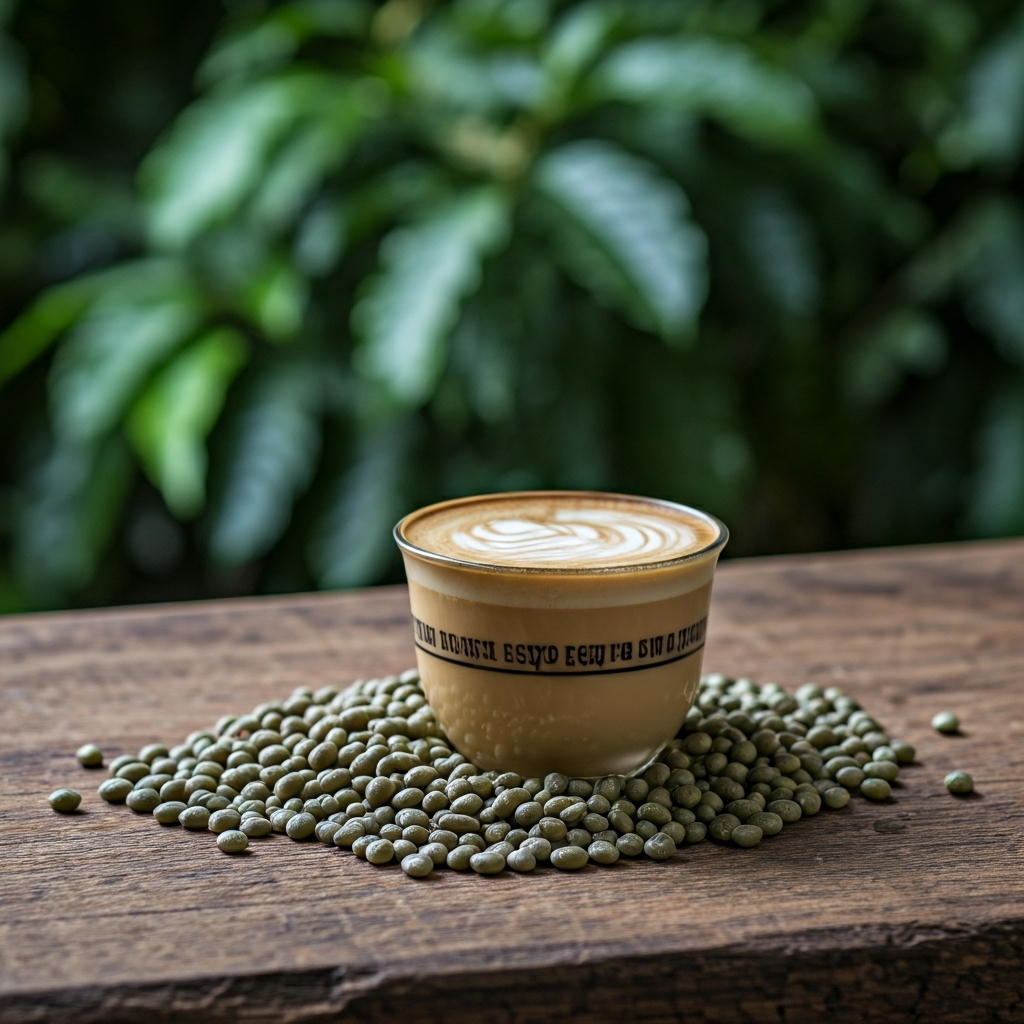
Sourcing Aceh Gayo Green Beans: Your #1 Roaster’s Guide (2026)
Sourcing Aceh Gayo green beans is the definitive step for roasters seeking one of the world’s most iconic coffee profiles. This complex process, however, is filled with challenges that can impact quality, consistency, and cost.
This guide provides the expert framework to navigate the Gayo market with confidence, ensuring you make the best procurement decisions.
The Gayo highlands of Sumatra, Indonesia, produce a coffee celebrated globally for its heavy body, earthy notes, and low acidity. As global demand for specialty Indonesian coffee grows—with exports reaching over $1.5 billion annually—understanding the nuances of this origin is more critical than ever. This guide is your single most important resource for mastering the art and science of sourcing Aceh Gayo green beans, ensuring you acquire only the most exceptional lots for your roastery in 2026.
What Makes Aceh Gayo Coffee Truly Unique?
The magic of Gayo coffee begins in its homeland. Located in the northernmost province of Sumatra, the Gayo highlands are a unique ecosystem. This environment imparts a signature character to its beans—a character sought after by discerning roasters worldwide.
The Rich Terroir of the Gayo Highlands
Nestled at altitudes between 1,200 and 1,700 meters above sea level (MASL), the volcanic loam soil is rich in organic matter. This high altitude, combined with a cool climate and consistent rainfall, allows the coffee cherries to mature slowly.
This slow maturation develops a higher concentration of sugars and complex acids. This terroir is the foundation of Gayo’s dense, hard beans, which are ideal for a variety of roasting profiles and a key factor for anyone sourcing Aceh Gayo green beans.
Giling Basah: The Wet-Hulled Method Defining Sumatran Coffee
It is impossible to discuss Sumatran coffee without highlighting the Giling Basah, or wet-hulled process. Unlike washed or natural methods, Giling Basah involves hulling the parchment when the bean’s moisture content is still high (around 30-40%).
This uniquely Indonesian method is responsible for Gayo’s signature heavy body, muted acidity, and complex flavor notes of earth, cedar, and spice. As detailed by Perfect Daily Grind, this process is a craft passed down through generations and is central to the Sumatran coffee identity.

A Culture of Coffee: The Gayo People
The Gayo people have cultivated coffee for over a century. For them, it is more than a crop; it is a way of life. The majority of farms are small, family-owned plots, often less than two hectares.
These farmers work together in cooperatives, which play a crucial role in maintaining quality control and providing market access. This cooperative structure is central to the challenge and opportunity of sourcing Aceh Gayo green beans of the highest quality.
The Expert Buyer’s Guide to Sourcing Aceh Gayo Green Beans
Navigating the Gayo market requires a deep understanding of its grading systems and quality markers. A successful sourcing strategy goes beyond simply looking at a price list; it involves a meticulous evaluation of the green beans themselves. The entire process of sourcing Aceh Gayo green beans hinges on this expertise.
Decoding Green Bean Grades for Sourcing Aceh Gayo Green Beans
According to the Specialty Coffee Association (SCA) standards, green coffee grading is based on defect counts. In Indonesia, this is often specified as a “Defect Value” or “Nilai Cacat”.
- Grade 1 (Specialty): Typically has a defect value of 0-11 per 300g sample. This is the top tier, exhibiting the cleanest cup profile and highest uniformity. It is the primary target for any serious effort in sourcing Aceh Gayo green beans for specialty roasters.
- Grade 2: A slightly higher defect count (12-25), still offering good quality but may have minor inconsistencies.
- Grade 3 & 4 (Commercial): Higher defect counts (26-80+) that are more suitable for commercial blends and less discerning markets.
Understanding these grades is the first step in aligning your quality requirements with the right price point in your purchasing strategy.
Moisture Content & Defect Value: The Two Most Critical Metrics
When sourcing Aceh Gayo green beans, two numbers are paramount: moisture content and defect value. An ideal moisture content for export is 11-12.5%. Anything higher risks mold and rapid degradation during transit.
A lower moisture content can lead to brittle beans that roast too quickly. Furthermore, a low defect value is a direct indicator of careful harvesting and processing, translating to a cleaner, more vibrant cup.

Cupping Gayo: The Sensory Test in Sourcing Aceh Gayo Green Beans
The ultimate test of quality lies in the cup. Sourcing Aceh Gayo green beans effectively means you must be able to identify its classic profile and recognize variations based on processing and micro-lot specifics. It is this sensory analysis that separates average buyers from experts.
The Signature Gayo Flavor Wheel
While every lot is different, a classic Gayo cup, produced via Giling Basah, presents a distinct and beloved profile:
- Aroma: Cedar, sweet tobacco, dark chocolate, and a hint of fresh earth.
- Flavor: Deeply earthy and herbal, with notes of baker’s chocolate, black cherry, and bell pepper.
- Acidity: Low to medium, often described as malic or syrupy.
- Body: Heavy, round, and mouth-coating.
Processing’s Influence on Taste
While Giling Basah is dominant, some Gayo producers are experimenting with other methods. Understanding these differences is key to diversifying your offerings when sourcing Aceh Gayo green beans.
| Processing Method | Typical Flavor Profile | Body & Acidity |
|---|---|---|
| Giling Basah (Wet-Hulled) | Earthy, herbal, cedar, dark chocolate, spicy | Heavy Body, Low Acidity |
| Fully Washed | Cleaner, brighter, notes of citrus, floral hints | Medium Body, Brighter Acidity |
| Natural | Fruity, winey, notes of tropical fruit and berry | Full Body, Complex Acidity |
[Video Suggestion: Embed a short, well-produced video here titled “The Giling Basah Process in Action” showing the steps of wet-hulling in the Gayo Highlands.]
2026 Pricing & Market Analysis for Aceh Gayo Beans
The financial aspect of sourcing Aceh Gayo green beans requires staying ahead of market trends. According to reports from the International Coffee Organization (ICO), global demand for high-quality Arabica continues to outpace supply. This trend puts upward pressure on prices for renowned origins like Gayo.
A Strategic Approach to Sourcing Aceh Gayo Green Beans in 2026
For 2026, we predict continued price strength for Grade 1 Gayo lots. To secure the best value, buyers should focus on building direct relationships with exporters who have strong ties to local cooperatives.
Forward contracts and pre-harvest agreements can be effective strategies to lock in prices and guarantee supply. The most successful roasters will be those who prioritize these partnerships as part of their strategy for sourcing Aceh Gayo green beans.

5 Costly Mistakes to Avoid When Sourcing Aceh Gayo Green Beans
Even experienced buyers can make errors. Avoiding these common pitfalls is crucial for protecting your investment and reputation when sourcing Aceh Gayo green beans.
- Ignoring Moisture Content: Focusing only on cup score or grade while ignoring a high moisture reading (>12.5%) is a recipe for disaster, leading to mold and faded flavors.
- Not Requesting Pre-Shipment Samples: Never commit to a large volume without first approving a sample from the exact lot you will receive. What you cup must match what ships.
- Misunderstanding the Giling Basah Profile: Judging a wet-hulled coffee against the standards of a washed Ethiopian is a fundamental error. Appreciate its unique earthy character.
- Focusing Only on Price: The cheapest offer is rarely the best. Poor quality beans will cost you more in the long run through lost customers. The goal of sourcing Aceh Gayo green beans is value, not the lowest price.
- Neglecting a Direct Relationship: Working with an unknown intermediary increases risk. A trusted exporter like Arjuna Coffee provides transparency and quality assurance from the farm to your roastery.
Frequently Asked Questions
What makes Aceh Gayo coffee unique?
Aceh Gayo’s uniqueness comes from its high-altitude volcanic terroir, specific Arabica varietals like Ateng and Tim-Tim as documented by World Coffee Research, and the dominant Giling Basah (wet-hulled) processing method. This combination creates its signature heavy body and earthy, spicy flavor profile not found elsewhere.
How do you grade Aceh Gayo coffee beans?
Gayo beans are graded based on a defect value system, similar to SCA standards. A 300g sample is assessed for imperfections like insect damage, black beans, or broken beans. Grade 1 specialty lots have a very low defect count (e.g., under 11), ensuring a clean and consistent cup.
What does Gayo coffee taste like?
A classic Aceh Gayo coffee offers a rich, heavy body with low acidity. Common tasting notes include cedar, dark chocolate, sweet tobacco, and hints of spice and bell pepper. Its profile is distinctly earthy and complex, a direct result of the wet-hulled process unique to this sourcing environment.
Is Aceh Gayo coffee good for espresso?
Yes, its low acidity and heavy body make Gayo an excellent component for espresso blends, providing a thick, stable crema and a deep, chocolatey base. As a single-origin espresso, it offers a powerful and intense flavor experience for those who enjoy a less bright, more robust shot.
Conclusion: Your Partner in Premium Coffee
In the competitive world of specialty coffee, success depends on the quality of your green beans. This guide has equipped you with the foundational knowledge to navigate the market with an expert’s eye. From understanding terroir and processing to decoding grades and analyzing market trends, you now have a framework for excellence.
Your business deserves the best, and your success in sourcing Aceh Gayo green beans ultimately relies on a partnership built on trust, transparency, and a shared passion for extraordinary coffee.

Begin sourcing Aceh Gayo green beans from our premium selection to experience the Arjuna Coffee difference.
Explore Our Premium Indonesian Coffee Beans
Interested in Our Green Beans?
Explore our curated catalog of premium Indonesian green coffee beans directly sourced from the islands.
 English